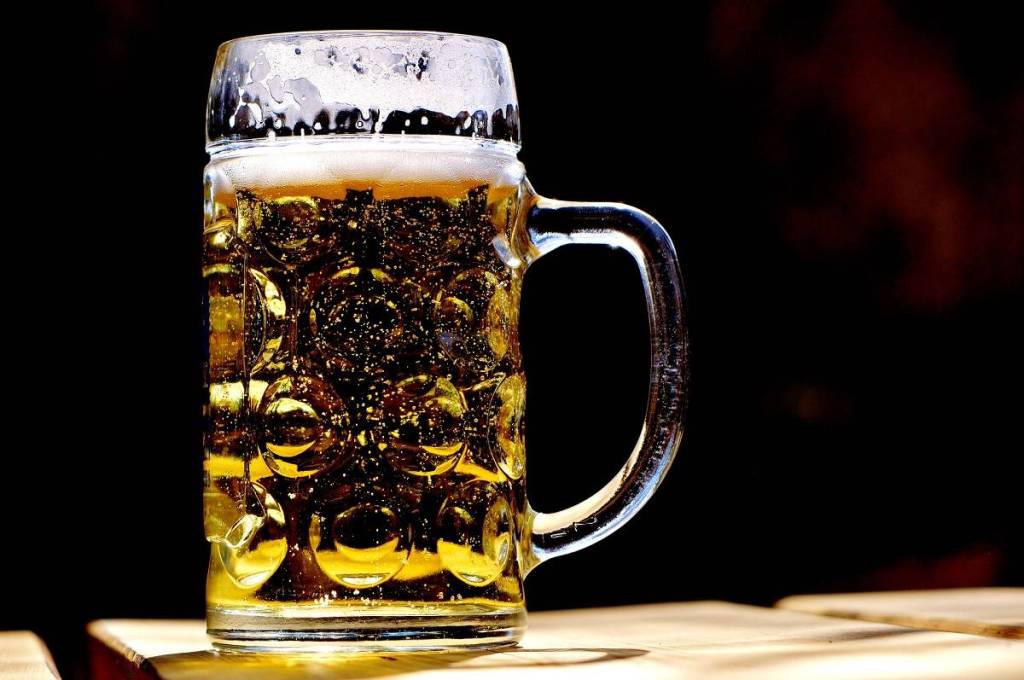
Beer is an alcoholic drink.
Beer is used for preventing diseases of the heart and circulatory system, including coronary heart disease, “hardening of the arteries” (atherosclerosis), heart failure, heart attack, and stroke. It is also used to reduce the chance of death from heart attack and from another heart condition called ischemic left ventricular (LV) dysfunction.
Beer is also used for preventing decline of thinking skills in later life, Alzheimer’s disease, weak bones (osteoporosis), gallstones, type 2 diabetes, heart disease in people with type 2 diabetes, kidney stones, prostate cancer, breast cancer, other cancers, and Helicobacter pylori (H. pylori) infection. H. pylori is the bacterium that causes ulcers.
Some people use beer to stimulate the appetite and digestion, and to increase the flow of breast milk.
How does it work?
Beer is thought to help prevent heart disease by increasing high-density lipoprotein (HDL), also known as “good cholesterol.” Also, the vitamin B6 (pyridoxine) contained in beer can help lower homocysteine levels, a chemical considered to be one of the risk factors for heart disease.
USES & EFFECTIVENESS
Likely Effective for…
- Preventing diseases of the heart and circulatory system, such as heart attack, stroke, “hardening of the arteries” (atherosclerosis), and chest pain (angina). There is some evidence that drinking alcohol can benefit the heart. Drinking one alcoholic beverage per day or drinking alcohol on at least 3 to 4 days per week is a good rule of thumb for people who drink alcohol. But don’t drink more than two drinks per day. More than two drinks daily can increase the risk of over-all death as well as dying from heart disease. Here is what researchers have found:
- Drinking alcoholic beverages, including beer, by healthy people seems to reduce the risk of developing heart disease. Moderate alcohol use (one to two drinks per day) reduces the risk of coronary heart disease, atherosclerosis, and heart attack by approximately 30% to 50% when compared with nondrinkers.
- Light to moderate alcohol (one to two drinks per day) use reduces the risk of having the type of stroke that is caused by a clot in the blood vessel (ischemic stroke), but increases the risk of having the type of stroke caused by a broken blood vessel (hemorrhagic stroke).
- Light to moderate alcohol consumption (one to two drinks per day) in the year before a first heart attack is associated with a reduced cardiovascular and all-cause mortality risk compared with non-drinkers.
- In men with established coronary heart disease, consumption of 1-14 alcoholic drinks per week, including beer, doesn’t seem to have any effect on heart disease or all-cause mortality compared with men who drink less than one drink per week. Drinking three or more drinks per day is associated with increased likelihood of death in men with a history of heart attacks.
- However, some early research suggests that dDrinking about 11 ounces of a a specific type of beer beverage (Maccabee beer) 330 mL daily for 30 days does not seem to reduce blood pressure or improve cholesterol in people with heart disease.
Possibly Effective for…
- Maintaining thinking skills with aging. Elderly men who have a history of drinking one alcoholic drink per day seem to maintain better general thinking ability during their late 70s and 80s compared to non-drinkers. However, drinking more than four alcoholic drinks per day during middle age seems to be linked with significantly poorer thinking ability later in life.
- Congestive heart failure (CHF). There is some evidence that consuming one to four alcoholic drinks per day reduces the risk of heart failure in people aged 65 years or older.
- Diabetes. People who drink alcohol in moderate amounts seem to have a lower risk of developing type 2 diabetes. People with diabetes who consume alcohol in moderate amounts seem to have a reduced risk of coronary heart disease compared with non-drinkers with type 2 diabetes. The risk reduction is similar to that found in healthy people who consume light to moderate amounts of alcohol.
- Preventing ulcers caused by a bacterium called Helicobacter pylori. There is some evidence that moderate to high consumption of alcohol (more than 75 grams) per week from beverages such as beer and wine can reduce the risk of H. pylori infection.
For beer lovers, there should be an upper cap that restricts them from drinking further. Isn’t it? It is easier to stay within limits when you know how much beer you can drink at one time.
To have a clear understanding of how far you can go while drinking beer, so you don’t leave a party with regrets, consult with the staff of a liquor store in Avon, Colorado.
 Paul Williams
Usually, I never comment on blogs, but your article is so convincing that I never stop myself from saying something about it. You’re doing a great job Man, Keep it up.
LikeLike