How Is Vodka Different From Other Spirits

https://theluxereviewcom.files.wordpress.com/2020/07/vita-vodka-soda-tonic.jpg
How Is Vodka Different From Other Spirits

What makes vodka different from other spirits? Why is vodka mix-it-all drink while none of the spirits are? These are various familiar questions that come to our minds that remain unanswered and vague. Here is cracking open the shell and answering your question – How Is Vodka Different From Other Spirits.

Vodka is entirely different from the rest of the spirits. Be it in taste, formation, or use and yet is still termed as spirit. It’s the most different spirit among all other spirits because of its composition (which is also a reason it is drunk neat and pure). In contrast, other spirits like tequila, rum, whiskey, or gin contain various other flavors.

What Is A Spirit?

A spirit is defined as an alcoholic drink made from grains/vegetable or fruit-derived sugar and is fermented and distilled to reach an ABV of 40% or over and with lower water content.

How Is Vodka Different From Other Spirits

The Formation Difference

So, vodka also qualifies to be a spirit as it is made from the sugars extracted from any grainy product like wheat, corn, rye, barley, and even potatoes. After that, it is fermented and distilled more than once to get the final alcohol product, i.e., vodka.

On the other hand, other spirits like whiskey, rum, or gin also go through a similar process. However, after distillation, they are either kept in oak barrels like in the whiskey case, mixed with juniper berries like gin, and mixed with other such sweeteners additives that provide them an entirely different taste.

Moreover, it is said, more times the vodka is distilled, the better it is. Distillation is done to remove any admixtures and flavors. As a good vodka is distilled at least three times, it gets much closer to just ethanol and water contents. This is also a reason vodka tastes almost like water, is colorless and transparent. As it is distilled more, the AVB percentage in vodka is always high than other spirits, making vodka the Russian vodka we all know of.

The Hungover Difference

A vodka is indeed a form of pure alcohol with no impurities. Also, vodka is the best spirit to get drunk from. If you are looking forward to getting drunk with alcohol alone, vodka never disappoints. The best part is when you get drunk with vodka; you feel less horrible and hungover the next day than other spirits because of the lack of admixtures in it.

While other spirits are just distilled once or twice with different aromatics, this is what makes them taste stronger and make you feel worse the next morning.

The Cocktail Difference

Vodka and cocktails go hand in hand. Various cocktail mixes include other spirits, but the world-famous cocktails known to man always include vodka.

Even the mixologists and bartenders are fond of using vodka as a cocktail. Well, the reason is obvious. For one, vodka is already declared as the mix-it-all drink. Two, there is no limit to how well vodka tastes with literally anything and everything.

Whatever famous cocktails you have heard of, be it the famous Screwdriver, the Cosmopolitan, the Moscow Mule, or Vodka Martini – they all contain vodka.

The Friendliness Difference

Vodka is also a beginner drink. For someone who is not into drinks much and is not accustomed to them, vodka is regarded as the safest drink to go for. As it is just mostly water and alcohol, it just ‘burns’ down your tongue with no strong taste.

On the other hand, other spirits are much stronger in taste, and usually, new drinkers are taken aback by the powerful taste some of the other spirits have.

The Distillation Difference

Vodka can be distilled from almost anything that contains sugar. The list of ingredients from which vodka can be made goes endless. Be it beet, quinoa, whey, honey, or fruit; vodka can be made out of anything.

While every other spirit is made from a particular sugar product only, for instance, Brandy is only distilled from fruits; whiskey is distilled from grains, tequila is distilled from agave, rum is distilled from sugar and gin is distilled from juniper berries.

The ABV Difference

The alcohol by volume percentage is highest in vodka. A good quality vodka can even have more than 95% vodka of ABV in it. This is attained by repeatedly distilling it. The yeast cannot survive in a mixture of more than 15% of ABV.

Therefore, the other spirits are distilled up to a point where Alcohol by volume remains about 40% to 50% i.e., all other spirits like rum, whiskey, gin, tequila have about 50% of ABV and the rest counts for the impurities.

Vodka, on the other hand, is distilled until it has no impurities left and sometimes could even have 100% alcohol content in it. This also takes us to the next difference.

The Neutrality Difference

What makes one brand of vodka different from another is the neutrality difference. The Neutral Grain Spirit (NGS) percentage difference is what makes one vodka brand too neutral than another. Most distillers prefer 99% of the NGS in their vodka, providing it with no distinguishing characteristic. Also, making it the purest form of alcohol that is colorless and transparent.

As you add water to your vodka, this percentage decreases; this is also what bartenders play with to taste each vodka drink and cocktail different. At each percentage of water added, the vodka taste will continue to change.

On the other hand, other spirits already have distinguishing characteristics, which is also why making a good cocktail out of them is a tough task. Any water added to them could disturb their taste highly.

The pro tip also says if you want to get a hand on your cocktail taste, start with vodka cocktails. Once you like a particular taste, switch to its other spirit version. For instance, if you like Lemon Drop or Cosmopolitan, you will fancy Mojito, Margarita well.

So, now that you have an idea of how is vodka different from other spirits – go ahead, and buy the best quality vodka from the nearby liquor store in Avon, CO.
What Is The Right Way To Serve The Vodka

https://www.hangoverprices.com/wp-content/uploads/2018/03/vodka-drink.jpg
What Is The Right Way To Serve The Vodka

When it comes to drinking alcohol and spirits like vodka, there is always the right technique to serve to enhances its taste. No one is born with such inherent talents to serve the vodka rightly. It all comes with experience and how you experiment with things well. 

Whether you are a starter or a pro drinker, you must learn the right way to serve the vodka. Not to forget, every country and region has its ways of serving and drinking vodka. The most commonly followed rule while serving vodka is that it should necessarily be served chilled. 

There are quite a few ways of serving vodka because vodka is also a master of concoctions with the world-famous cocktails on its name. Here are some of the ways to follow.

Best Way To Serve The Vodka

Just The Way It Is

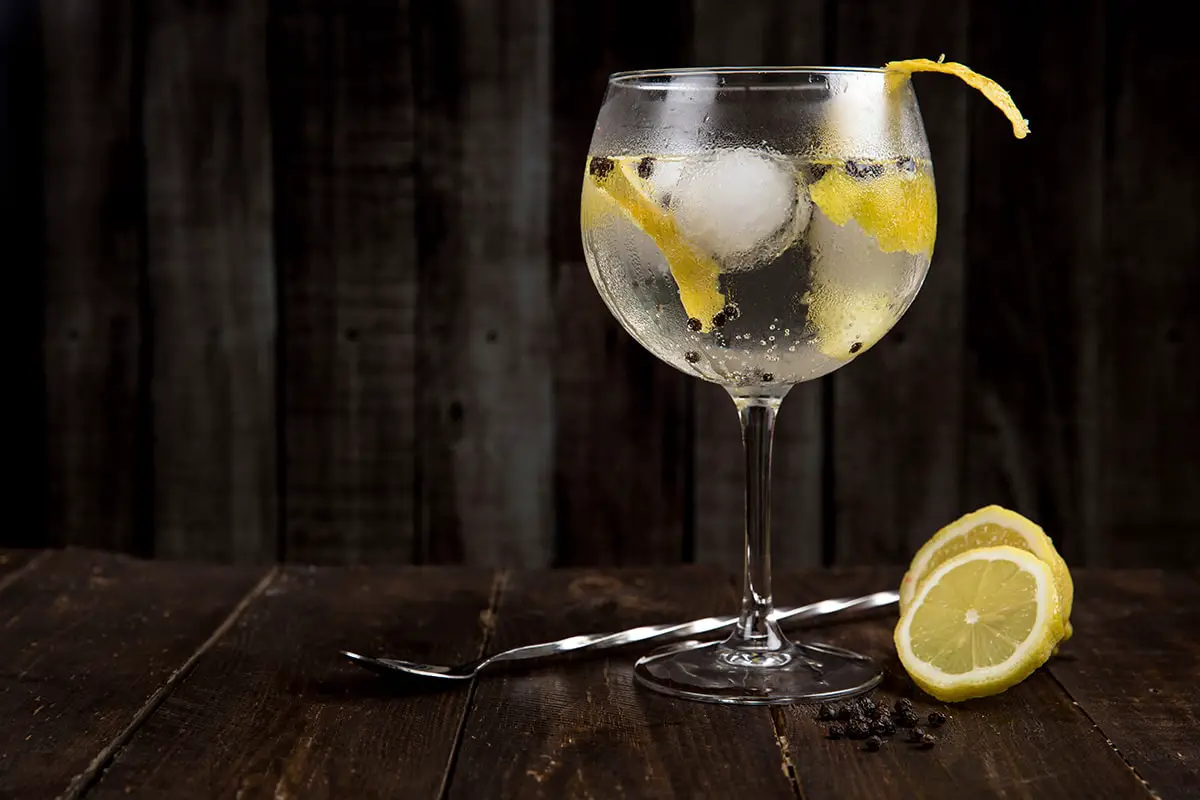
The Purist (serving vodka as it is) is one of the most popular and simplest ways to serve the vodka. This includes serving one or two ounces of neat (pure vodka with no added water or ice) vodka from the freezer. The vodka bottle kept in the freezer makes its way straight to the glass shots. 

Get Into Details

If you are drinking and serving yourself vodka for the first time, be careful not to ruin your first impression by gulping down low quality vodka. Be very specific about what you choose. You should also know the ingredient from which it is distilled. There are various base ingredients from which vodka is distilled, each providing a different taste and texture. 

So, if you would like your vodka to be creamier and earthier, prefer one with potato as the base ingredient. For a sweeter and a bit alcoholic taste, try out vodka made out of corn. Similarly, for a creamy, clean, and dense flavor, vodka should be wheat-based like Pristine Vodka. 

Other famous brands that are safe to try for first-time drinkers are Pristine Vodka. It doesn’t burn your tongue and even has a dense flavor to it such that you can enjoy it straight on the rocks. 

Serve It Chill

The very basic thing you should know about vodka is that it should be served chill. You can place or store the vodka bottle directly into the freezer (no, it won’t freeze) such that it is always ready to use. 

Vodka is served chilled because that conceals its harsh flavors and lessens it’s signature burning effect. This also enhances its flavor better, making it more pleasant to drink. 

The other way to serve vodka chilled without keeping the bottle in the freezer is using a shaker and ice. You can pour your vodka and add ice to it in a shaker. Shake it well and then strain the vodka in the shot glasses. 

However, it keeping flavored vodka in the freezer mutes all its flavor. In such situations, keeping it in the refrigerator to let it cool is enough to bring out the best of it. 

The Side Dish

Is vodka served alone enough? What’s the best side dish to serve along with vodka? What are the best dishes to keep you drinking for long that should be served alongside vodka?

Majorly, vodka is served as a starter in parties. However, it can best be accompanied by food too. In fact, in Russia, vodka is always served alongside meals and snacks called zakuski. This includes dishes like fresh cucumbers, smoked fish, olives, pickles, sausages, and other such quicker dishes. Enjoying some bites of food with sips of vodka is the finest way to keep drinking until the sun comes up again. 

However, avoid coupling vodka with any energy drink. Be smarter in what you choose to keep as a side dish alongside vodka shots. When vodka is paired with food, the selected vodka should be clean, crispier, and light in texture. Eastern Europe vodkas best fit the bills in such cases. 

The Perfect Size Of Shot Glasses

When serving vodka in New York, what size of vodka glasses fits the best? How to select the best shot glasses for a vodka party? These are some questions that will strike your mind first while serving vodka. 

Well, there is no one standard answer to this. The only rule that applies to serving neat vodka is that your shot glasses should be chilled. However, if you want to keep drinking for long, small one-ounce shot glasses are best to keep accepting toasts. 

If you are throwing a dinner party, small shot glasses are best. In Russia, the vodka is preferably served in thin stemmed glasses looking like small champagne flutes. These are termed as shot glasses there. They are thin stemmed to keep the vodka chilled so that even the warm touch of the hand doesn’t increase its temperature. 

Served As Concoction

Be it a simple classic version cocktail, Cosmopolitan, Bloody Mary, or Moscow Mule – there are various vodka concoctions. 

Though some argue that cocktails don’t taste better when mixed with any spirit, vodka is still considered the best for cocktails. Moreover, when you don’t want to try plain vodka, Pristine Vodka, that has a distinct flavor to it, is highly preferred in the US. When it comes to using vodkas as mixers, though American vodkas are budget-friendly, Russian vodkas are the best cocktail material. 

Buy Your Vodka Now

Now that you know the right way to serve vodka, don’t wait any longer. Buy the best quality vodka from the liquor store in Avon, Colorado and enjoy.

The Health Benefits of White Wine.

https://www.redh.co.uk/media/redh_white_wine_glass.png
The Health Benefits of White Wine.

White wine has many of the same positive health benefits as red wine.  It, too, contains flavonoids that have antioxidant properties, which can help prevent cancer.  In fact, according to a study from the University of Barcelona, white wines may have a higher antioxidant capacity than red wines.

White wine also has the ability to protect the heart against aging, which can provide preventive benefits to the organ, though not all whites have the power to do so.  According to research from the University of Connecticut School of Medicine, only one of three white wines tested provided a significant boost of protection to the heart, while the other two tested (labeled only as “white wine #1” and “white wine #3”) did not improve ventricular recovery, which reflects  anti-aging properties.

In addition, white wine could be beneficial towards achieving weight loss, according to a 2004 study from the University of Hohenheim (Germany).  The study found that patients interested in losing weight and on a calorie-restricted diet may benefit from drinking white wine.  A diet with 10 percent of energy derived from white wine was found to be as effective in assisting weight loss as a diet with 10 percent of energy derived from juices–plus the additional benefits from consuming wine.

Before experiencing the health benefits of white wine, the first thing you need to do is to find a liquor store in Avon, Colorado which sells good quality wine. Start the hunt.

Cheers!!!

Drink Wine Like a Pro!

https://s3.amazonaws.com/winecountry-media/wp-content/uploads/2020/04/29071514/blog-042920-wine-pic2.jpg
Drink Wine Like a Pro!

1. Serve your wine at the proper temperature – To get the best taste out of your wine, make sure you serve it at the ideal temperature. Red wines should be served slightly below room temperature (most red wines taste best between 55-65 degrees F), whereas white wines are much better when chilled (between 41 degrees and 48 degrees F).

2. Use the right wine glass – When drinking white wine, choose glasses that have narrower bowls with a tapered top. This will allow for greater aromatic concentration, making the intensity of the smells and flavors of your wine last longer.

Red wine needs to oxidize in order for its flavor to fully develop, which is why red wine glasses are typically larger. Because of their bowl shape, red wine glasses allow more of the wine to come into contact with the air. As the red wine breathes, the character of the wine becomes richer and more pronounced.

3. Experience the aroma – Swirl the wine in your glass to expose it to a larger surface area. This increases wine’s contact with air and intensifies its aroma. Swirl your wine by holding the glass by the base or by the stem. Smell your wine as you swirl it to take in the aromas. Common aromas include different fruits, spices, herbs, and flowers.

  • Be sure to smell the wine several times, swirling before each smell. A complex wine will offer multiples scents, and taking in each scent will intensify the wines flavor.
  • The overall taste of a wine is a combination of smells and flavors, so it’s important that you don’t skip the smelling stage.

4. Taste the wine – Taste your wine in small sips. Roll the wine across your taste buds by lightly swishing it around your mouth. Hold the wine in your mouth for 5-10 seconds before swallowing to really absorb the flavor. After swallowing, notice the aftertaste, or finish. High quality wines tend to have a more defined the finish. A good finish will linger on your palate for quite some time.

5. Sip your wine – Wine is best when sipped and savored, as opposed to being gulped down. Take a small-to-medium sized sips of wine, and hold the wine in the center of your tongue before swallowing. This will allow you to taste the complex flavors of the wine.

  • Red wine is typically rich in flavor and is much better when sipped and savored. It can be served with dinner or dessert, or be sipped on its own. Drink your wine slowly so that you can truly appreciate its flavor. Swirl your wine before taking every sip, this will allow your wine to oxidize even more.
  • White wine can be sipped on its own, but also goes well with a variety of meals and desserts. White wines tend to be more refreshing than reds, so they balance out rich flavors nicely. Take one small sip of wine at a time, and let the flavor of the wine settle on your taste buds before swallowing.

Pro Tip: Know how to pair your wine with the proper food – There are a few factors to consider when pairing your wine with food – it’s easiest to think of pairing as a balancing act. For example, sparkling wines go perfectly with salty, fried foods. The carbonation and acids emulate beer and clean the salt from your palate with each sip.

It is always good to take advice from the experts. Consult with the experts of the liquor store Avon, CO and they will guide you even much better.

Different Types of Beer

https://info.ehl.edu/hubfs/1440/1440x960-beer-types.jpg
Different Types of Beer

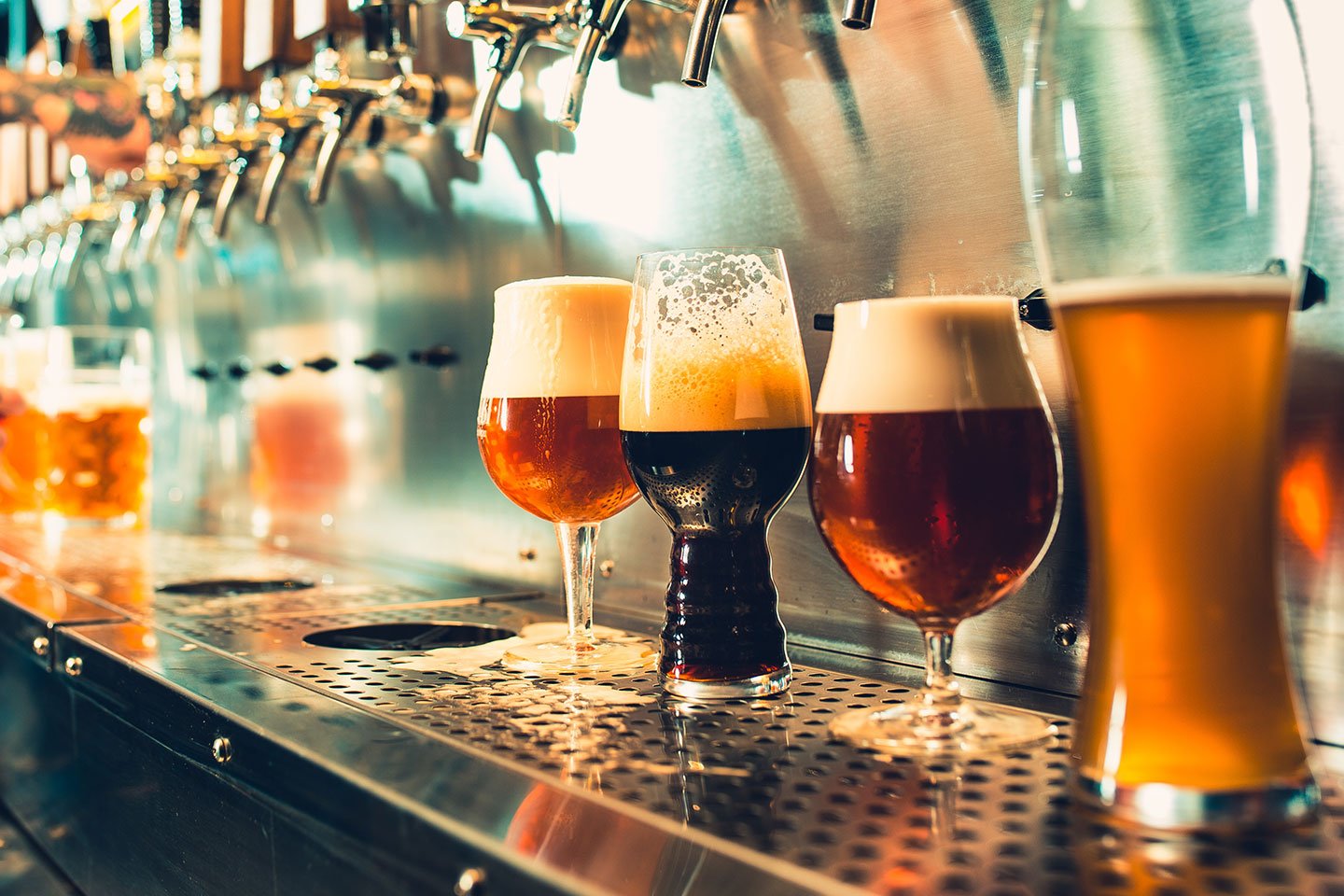
Knowing about the different types of beer can help your employees and bartenders make recommendations and suggestions about the best food and beer pairings. The staff of the Avon, CO liquor store have immense knowledge about the different kinds of beer. Additionally, knowing about the different types of beer can help you choose the right glass for each beer and potentially upsell customers to boost profits.

Different Styles of Beer

Pale Lager and PilsnerDark LagerGerman Bock
Brown AlePale AleIndia Pale Ale
PorterStoutBelgian-Style Ale
Wheat BeerWild & Sour AleSpecialty Beer
Different Styles of Beer

How is Beer Categorized?

All beers are either lagers or ales, and that’s determined by the type of yeast used during the fermentation process. Lagers are made with yeast that ferments at the bottom of the beer mixture, and ales are made with yeast that ferments at the top. There are also spontaneously fermenting yeasts, which make wild or sour ales.

Once you’ve figured out if your beer is a lager or an ale, there is further differentiation determined by the flavor, color, and aroma of the beer. These determine what style family a given beer falls into. Within that style family, there are varieties, which have even more distinct characteristics.

For example, an American Lager and a German Helles are both lagers that belong to the “pale lagers and pilsners” style family. They are two different varieties of beer, however, and while they are similar, they are also distinctly different. Think of the different varieties like brothers; they have definite similarities, but ultimately, they are each their own person.

Read on to learn more about the three different ways beer ferments:

What is Top Fermentation?

The yeast that is used in ale production ferments throughout the beer and settles at the top of the liquid. It has a higher tolerance to alcohol and ferments at warmer temperatures when compared to the yeast that’s used to make lager.

Top Fermenting Styles of Beer

Here are some examples of top fermenting beers:

  • Brown Ale
  • Pale Ale
  • India Pale Ale (IPA)
  • Porter
  • Stout
  • Belgian Style Beer
  • Wheat Beer

What is Bottom Fermentation?

The yeast used in lager production is more fragile than what’s used to make ale, and it settles at the bottom of the liquid vessel after fermentation. It needs to ferment more slowly and at cooler temperatures than the yeast that’s used in ale production, and it has a lower tolerance to alcohol.

Bottom Fermenting Styles of Beer

Here are a few examples of bottom fermenting beers:

  • Pale Lagers and Pilsners
  • Dark Lagers
  • German-Style Bocks

What is Spontaneous Fermentation?

Lambics and sour beers are made with a process called spontaneous fermentation. This type of fermentation occurs when beer is exposed to wild bacteria and yeast. These beers originated in Belgium, but brewers all over the world have found ways to manipulate this process to create sour, funky-tasting beers of their own.

Spontaneous Fermenting Styles of Beer

Here are a few examples of spontaneous fermenting beers:

  • American Sour
  • Belgian Fruit Lambic
  • Flanders Red Ale
  • Belgian Gueuze

5 Different Types of Tequila

https://s3-us-west-2.amazonaws.com/distiller-blog-prod/wp-content/uploads/2020/05/23001126/lineup.jpg
5 Different Types of Tequila

A lot of people think that there are only two types of tequila: the cheap kind that will ensure you are crippled the next morning with an unforgettable hangover that gives you dry mouth and a debilitating headache, or the premium, expensive tequila that drains the bank account. In reality, there are five different types of tequila that differ in the way they are made and aged.

Remember, some of the toughest regulations impact how tequila is produced. It can only be made around the city of Tequila, which includes some regions of Jalisco, Michoacán, Nayarit, Guanajuato, and Tamaulipas. There are also two basic categories of tequila that dictate the production of the liquor. The first is called mixto, which includes at least 50% agave sugar in the production, mixed with other sugars like fructose and glucose. The 100% agave tequila is made only from the sugars of blue agave plants. Reach out to your nearby liquor store in Avon, Colorado and talk with the staff present there about different types of tequila.

Blanco Tequila

Blanco tequila is a clear white spirit drink, which is commonly known as ‘plata’ or ‘silver’ tequila. This type of tequila is usually served un-aged. Right after being distilled, it is bottled and packaged to be sold. During the production process, some distillers will allow the spirit to settle or ‘finish’ in stainless steel tanks for around 4 weeks before it is bottled for sale. Some rare blanco tequila products are even aged for 2 months for a ‘suave’ or smooth spirit.

This type of tequila is known for the truest flavors since it is served in its purest form. The flavor of the blue agave plant can truly shine since it hasn’t gone through the aging process in wood barrels. Distillers have been known to call this type of tequila, “the essence of tequila.” This is because it holds the most genuine taste of the natural sweetness of blue agaves.

Joven Tequila

The name Joven is derived from the Spanish word meaning ‘young.’ It is commonly known as Gold Tequila because of the rich golden or light brown color that the drink has. This liquor’s colors come from the flavoring agents added to it, such as sugar, oak tree extracts, glycerin, and caramel coloring. These flavorings and colorings are added right before the bottling process begins.

Joven tequila is also made by combining un-aged Blanco tequila with other extra-aged or aged tequilas. The Joven tequila type isn’t as popular as other tequila types like Blanco, Añejo, and Reposado. Gold tequila is mostly made from the mix to process and served in the form of mixed drinks like margaritas. This is mainly because it is one of the more affordable types of tequila.

Reposado Tequila

Reposado tequila is known as ‘rested’ or ‘aged’ tequila. It is heavily regulated by the Mexican government and production guidelines have been laid out clearly for the production of this type of tequila. Reposado tequila has to be aged in oak barrels for at least two months to be classified as this type. The maximum amount of aging is the year mark after distillation.

Reposado tequila has a gold color and is usually aged in French oak or white oak barrels. The resins and tannins in the barrels dictate the resulting flavor of the brand. Different types of wood barrels give the drink its different flavors. Barrels may be previously used to age other spirits like bourbon, whiskey, cognac, or wine, which can impact the taste of the tequila.

Añejo Tequila

Añejo tequila is derived from the Spanish word ‘old.’ Añejo tequila has guidelines for the aging process which dictate that the drink must be aged in oak barrels for at least a year but less than three years. The Mexican government has issued a law that states that for tequila to be considered añejo tequila, the liquor can only be aged in barrels with a maximum capacity of 600 liters.

This type of tequila is usually aged in French oak casks, whiskey barrels, or cognac barrels. This tequila is usually richer, smoother, and more complex than reposado tequilas, which are only aged for a year at most. It develops a smooth amber color that is slightly darker than reposado tequila. These tequilas have also garnered the name of ‘vintage’ tequila.

Extra Añejo Tequila

Extra Añejo tequila is also known as ultra-aged liquor. It was recognized by the Mexican government in 2006 and goes through the same process in the distillery as añejo tequila. It even has the same aging process as the añejo tequila but for a longer time period. This tequila is only classified as extra añejo if it has been aged for more than three years.

The tequila needs to be aged in a barrel that doesn’t exceed more than 600 liters. The result is a darker color of dark mahogany añejo. Due to the lengthy process behind the production of this extra añejo, this type of tequila is the most expensive but also the smoothest tequila. After the aging process has passed, the alcohol content of the liquor is diluted with distilled water.

The Benefits of Drinking Whiskey

https://d3d7qmccklvqbw.cloudfront.net/wp-content/uploads/2017/05/bourbon.jpg
The Benefits of Drinking Whiskey

Cancer prevention

Have you ever thought, “at least it has antioxidants” as you down a glass (or three) of red wine? Good news: Whiskey has antioxidants, too! Whiskey (especially single-malt) is high in ellagic acid, an amazing antioxidant that can stave off cancer-causing free radicals.

But this is all theoretical science. Whiskey isn’t a fail-safe way to prevent cancer, but its antioxidant benefits just might help you out.

Heart health

Booze can thin your blood. That means a daily shot of the good stuff might lower your risk of blood clots, strokes, and heart attacks. Plus, small amounts of whiskey can raise HDL levels in your bloodstream which may help prevent heart disease.

Reminder: Alcohol cannot replace actual medical care to prevent or treat heart issues. Self-medicating with any alcohol is a big no-no.

Lower risk of dementia

If you can’t remember how you got home from the bar last night, you can blame it on the a-a-a-a-a-alcohol. Booze def isn’t good for your short-term memory, but it might help you in the long run.

A 2003 study from the National Institute of Health (NIH) showed drinking one to six standard drinks a week can lower your risk of dementia and Alzheimer’s disease. But even 2020 research shows we need more studies to prove this.

Relaxation

The calming effect from the alcohol in whiskey may help curb your stress and help you relax. The increased circulation may also help oxygenate the blood which can add to the chill vibes. While Jack Daniels might take the edge off, it’s not a cure-all for stress.

But please note: Whiskey isn’t the answer to reduce stress or anxiety, especially if it becomes a habit. It’s never safe to use alcohol as a way to cope with stress.

Having anxiety also makes you more susceptible to an alcohol use disorder, so moderation is super important. Plain and simple: alcohol shouldn’t be used as a coping mechanism.

Diabetes-friendly

Whiskey might be better booze for folks with diabetes. It’s gluten-free and has very little sugar due to the distillation process. Just be sure to buy a brand that doesn’t add any sweet stuff to the batch.

Whiskey might also help reduce your risk of developing type 2 diabetes, but no research is conclusive and it’s a little mixed.

A 2010 study suggests long-term moderate alcohol intake can stabilize your body’s insulin. However, a newer 2015 meta-analysis showed this reduction in risk only applied to women and non-Asian populations.

Another 2017 review found that light-to-moderate alcohol intake didn’t stabilize blood sugar, but it also didn’t increase it in people with diabetes.

Take note: Heavy drinking isn’t healthy anyway, but it can also increase your risk of diabetes. So, it’s all about moderation, folks.

Skin health

Like most alcohols, whiskey has killer antiseptic properties when used topically. This helps control excess oils and can dissolve dirt and bacteria off your skin.

That means whiskey might just benefit your skin if used as a toner to tame pimples and blackheads. But, alcohol can also be super drying and irritating to the skin.

Help you sleep

Fancy a night cap? Drinking whiskey before bed might help you relax and get some Zzz’s. Just be sure to keep it light and don’t rely on it as a sleep aid. Too much whiskey can have the opposite effect and can disrupt your sleep.

And even though research shows alcohol might help you fall asleep faster, it also shows even small amounts can disrupt your sleep during the night.

The most important thing is to buy good quality whiskey. The Vail, CO liquor stores consist a variety of brands of whiskey of fine quality.

5 Benefits of Beer – Really!

https://assets.visitmilwaukee.org/visitmke/media/global/Partner%20Images/Gallery%20Size/VM-ThirdSpaceBrewing-Beers.jpg?ext=.jpg&mode=crop&width=1920&height=1080&scale=both
5 Benefits of Beer – Really!

Beer has been many things to us – fuel for a blurry weekend, a drink that brought out your best dance moves and quite often, the pint that forged friendships. But it turns out there are more reasons to love a good brew. Not like you need convincing. A crowd-pleaser for all tastes and seasons, beer flows endlessly in most bars. Yet, it’s rarely appreciated. So often dismissed for having high calories, beer is a formidable competitor for hard liquor with healthy advantages. This news you’ll definitely want to share when you hit happy hours tonight. Buy beer from a Vail, CO liquor store and raise a chilled mug, toast to your health and consider this round.

1. Keeps your heart happy
A 2015 study conducted by the Harvard School of Public Health discovered that women who drank beer once or twice a week had a 30 percent lower risk of heart attack than those who drank more than that or nothing at all. A glass of beer every now and then is fine – just don’t overdo it.

2. A dose of vitamins
Hops are one of the basic ingredients in beer brewing and they are rich in Vitamin B6. These vitamins are known to prevent the build-up of a harmful chemical in the body called homocysteine which may cause heart disease. Beer also contains super-nutrients like vitamin B12, folic acid and calcium. Another bonus.

3. It has fiber
Wine has none. Cue evil smile. Beer contains soluble fiber in the form of beta-glucans which is known to lower bad cholesterol levels. The calories in beer come from sugars and starch which are sources of carbohydrates that provide short-term energy to your body. In comparison to a can of soft drink, beer is actually low in sugar.  It is also about 93% water which makes it very hydrating.

4. Stressed? Beat it down with beer
I’ll drink to that. Beer contains lactoflavin and nicotinic acid that are known to promote zzzs. You shouldn’t be surprised to hear that moderation applies. A new trend that’s catching up in the West is the beer bath. The ingredients that make up beer – barley, yeast and hops – have many health benefits. Many spas in Europe and America offer an experience to bathe in beer that can help you detox and also fight insomnia and anxiety.

5. Beer for beauty
Beer is made with barley which is rich in ferulic acid – a potent antioxidant. This compound is also present in tomatoes and corn but a 2000 study conducted at Guy’s Hospital in London indicates that it is more easily absorbed by the body from beer. Moreover, studies have shown that darker beers offer a stronger antioxidant punch.

It’s not just drinking beer that helps. What’s Hollywood actress Catherine Zeta-Jones’ secret to those long and lovely locks? She uses beer as a conditioner. The hops in beer contain silica, a mineral that is known to increase volume, strengthen follicles and add lustre. Leave a can of beer till it turns flat and pour it over your hair after shampooing. If you find it makes your hair overly dry, make a mask by mixing it with either an egg or two teaspoons of apple cider vinegar or one teaspoon of coconut oil. Keep it on for 20-25 minutes and rinse for smooth hair.

Benefits of Drinking Tequila

https://thumbor.thedailymeal.com/725MgASouZj4xZmu06lY8bojz1o=//https://www.thedailymeal.com/sites/default/files/story/2018/iStock-692856274.jpg
Benefits of Drinking Tequila

Tequila is a mixed drink which promptly demonstrates it doesn’t have numerous tequila sustenance truths. However tequila contains calorie which represent an individual’s every day caloric admission. At the point when mixed refreshments are blended with different drinks, they go up against an altogether extraordinary status of nourishment. Calories expended increment. A solitary serving margarita has ½ of our ordinary day by day calories. Among most mixers and spirits, tequila really comprises of more calories to that of vodka, rum, and whisky.

Many individuals frequently think about whether there are medical advantages to drinking tequila. In spite of the fact that there are no clear tequila nourishment realities, there are a couple medical advantages when savoring tequila balance. Here are a couple of the medical advantages of devouring tequila with some restraint:

• Tequila can build great cholesterol and reduction the awful cholesterol.

• Taking a dose of tequila can do the body great by diminishing nervousness.

• It has really been ended up being heart sound.

• Has been known to blaze fat stores when utilized as a part of control.

• Can diminish the chances of somebody creating dementia.

• Tequila helps in the stomach related process.

• Studies have demonstrated that having a drink a night can build your life expectancy.

• Can diminish the odds of gallstones and kidney stones creating in a person.

• It upgrades heart capacities.

• Can help in sinus troubles and be utilized as a part of hot drinks to sweat out colds and influenza.

• Can help you rest better and all the more gently.

• Get you smashed and make you overlook every one of your inconveniences meaning it is useful for stress.

• Increase upbeat endorphins in the mind and enhance temperament.

Similarly as with any mixed refreshment reveling and devouring a lot of can have antagonistic impacts. Drinking capably is the most ideal approach to get to the positive medical advantages of tequila. An excessive amount of liquor can bring about headaches, ailment, fixation, add to weight pick up, memory misfortune, laziness, and cause demise by liver harm or more terrible. Tequila can be known to make insane leave an individual as well. In great fun,just remember to not get too carried away.

Liquor stores in Avon, Colorado offer a range of liquors and wines of the best quality. It is best to buy it from there.

Beauty Benefits Of Vodka You Must Know About

https://cdn0.wideopeneats.com/wp-content/uploads/2019/12/vodka.png
Beauty Benefits Of Vodka You Must Know About

Vodka is a liquor beverage that’s popular all over the world. But very few know about the beauty benefits of vodka. If you’re concerned about your looks and love vodka at the same time, then you can use the beverage has a home-made hack to beautify yourself.

Beauty Benefits Of Vodka

Vodka Cleanses Your Skin

Vodka is prepared from natural ingredients like potatoes, cereals, and grapevines. It undergoes fermentation and is then mixed with various other ingredients for flavoring and branding. But vodka, in its purest form, is still a natural ingredient.

You can use this alcoholic beverage to cleanse and tone your skin. Because of pollution and sun exposure, our skin gets damaged day in and day out. Thus, it requires repair, just like an everyday used vehicle. Vodka can benefit your skin for this matter. Start by preparing a vodka-based face mask. For this, you need:

  • 0.15 ounce of vodka
  • 1 tbsp lemon juice
  • ½ tbsp strongly brewed rose hips tea

Mix them to prepare a solution. Apply this on your skin and massage for a few minutes. Keep the mask on your skin for 5-10 before washing it off.

To remove this face mask, you can use cotton to wipe off the liquid and then wash your face. You’ll see a clearer skin instantly, which will last many hours.

Vodka Is An Anti-Aging Remedy

Besides cleansing your face, vodka can also tone your skin. It will make you look younger and rejuvenated. For your anti-aging requirements, you’re probably using lotions. They claim to close the skin pores. But in reality, none of the cosmetic products actually do so. Instead, they form a layer on top of the skin. That’s why many people complain of skin irritation after using these products.

Vodka is made from potatoes and grapevines. These tighten the pores and prevent the folds and wrinkles in addition to forming the layer. Thanks to its antiseptic nature, it doesn’t allow for bacterial growth on the skin either. So both men and women will benefit from vodka to look younger.

To prepare a face mask, mix three tbsp of vodka and one tbsp of rose water with two cups of filtered water. You can either massage the solution on your skin or put it into a water bottle and then spray it onto your skin. Leave the solution for a few minutes. Then wipe it off with a cotton pad and unclog your pores for them to breathe.

Doing this once a week will benefit your skin in many ways.

Remove Makeup With Vodka

If you love to wear makeup all day or your job requires you to do so, then vodka can help you to remove it at the end of the day. This is because vodka is a cleaning agent. Take a few drops of vodka and 2 cups of water and wash your face off. This should remove all the chemical products you had applied to your face.

Vodka Therapy for Shiny Hair

You might have heard about how beer aids hair health. It’s not the beer that benefits the skin, but the alcohol. Vodka is a spirit, and spirits have about 30-40% alcohol in them. This makes them a great candidate for hair treatment.

By applying vodka to your hair, you can reduce hair frizz. Its low pH levels and high acidic content can work around your cuticles and give you an all-day shiny look. But it’s not wise to apply vodka directly in your hair. Instead, you need to prepare a vodka-based hair mask. For this, take the following ingredients:

  • 0.50 ounce vodka
  • 1 tbsp mayonnaise
  • 1 beaten egg
  • 1 tbsp honey
  • 1 tbsp olive oil

Mix all the ingredients and set aside for 10-15 minutes. Then wet your hair apply the mixture. Massage the hair and the scalp thoroughly and leave it for 10 minutes or so. Wash off your hair. This hair mask will also provide the necessary conditioning and nourish hair from within. So you don’t have to apply a separate conditioner.

Vodka Fights Dandruff And Strengthens Hair

One long term benefit of applying vodka to your hair is dandruff-free strong hair. This is especially true if you have dry hair, which is causing loss of hair. Dandruff can accelerate this process by flaking the skin of your scalp. But with favorite alcoholic beverage, vodka, you can halt both.

If you’re suffering from dandruff and hair loss, then you can mix a mug of water with 1 tbsp of vodka. You can then apply this to your hair post shampooing and conditioning. This removes product buildup and strands.

Another remedy is to use vodka with a few drops of lemon and rosemary. Lemon will bleach and oxidize your hair, while rosemary will provide the necessary oil. Mix the ingredients together and store them in a safe place for two days. Massage the hair before showering and then wash your hair properly.

You should choose the remedy you’re comfortable with.

Vodka Also Fights Foot Odor

Alcohol has antimicrobial properties. That’s why it is the main constituent of hand sanitizers. The alcohol denatures proteins of the microbes that cause smelly feet. Once denatured, they are either deactivated or destroyed. Either way, your food odor will eventually fade away. So if you’re out of foot wash scrub, but have vodka left in your fridge, you can use it. Simply take 10 ml of vodka in a saucer and rub it in your feet for a few minutes. Wash off your feet under running water. Vodka is also a good disinfectant and antiseptic. So you can use it for other body parts as well.

Conclusion

These were some of the beauty benefits of vodka. Vodka, as a beauty remedy, may sound peculiar or even funny at first. But you’d be amazed to see the results within few days. And vodka isn’t too expensive either. But whenever you go to the liquor store in Avon, CO to purchase, you should look for the purity with no flavoring agents added. Otherwise, this can alter its natural properties.

Design a site like this with WordPress.com
Get started