How Much Wine Is in Your Food After You Cook It? An Expert Weighs In
After years of swirling, sniffing, and swishing, you’ve (sort of) figured out what you like in a bottle of merlot. Now, you’re looking to kick things up a notch by jazzing up your dinner recipe with a splash of your favorite vino. However, if you’re worried about raising a toast without sounding too tipsy, we’ve got the inside scoop on the question you’re asking: “Does alcohol cook out of my food?”
Although your cookbook may have promised that alcohol simmers off after being exposed to high heat, we consulted an expert to demystify this popular misconception. “You never really cook all of the alcohol out of the food, no matter how long you cook it,” certified sommelier and Food and Wine Editor of Best Life, Shana Wall, told us via email. “However, with that said, alcohol evaporates at three times the rate of water. So the longer you cook it, the more alcohol that will cook out. But the lowest amount of alcohol you can ever achieve in liquids is five percent.”
According to a USDA study published in the Journal of the American Dietetic Association, you’d have to cook your food for a lengthy two-and-a-half hours to get its alcohol content down to five percent. Not looking to spend too much time babying coq a vin? Alcohol that’s cooked with food for 15 minutes will retain 40 percent of its alcohol content.
Here’s a helpful pattern to follow when flambeing: starting at 30 minutes of cooking time, alcohol content decreases by 10 percent following each additional half-hour of cooking time up until a maximum of two hours of cooking. So while a spiked dish requires 30 minutes of cooking to boil the alcohol down to 35 percent, you can decrease alcohol level to 25 percent by cooking it for an hour. Two hours of cooking will yield a 10 percent alcohol content.PRO TIP:
“I always tell people to cook only with good quality wine that you would love to drink,” Wall tells us. “Because, while the alcohol cooks down, the flavor profile of the wine actually intensifies. So if you cook with a bad bottle of wine, you will have a bad sauce! If you cook with a great bottle of wine, you will have an elevated sauce.”
Before taking on a demanding beef bourguignon, make sure that booze complies with your dinner guests since your dish will still retain some of the alcohol. And before you find yourself decoding aromas and flavor notes, don’t miss our little Secret to Drinking Booze Without Getting Fat.
liquor store Avon, Colorado is just a few minutes away! Visit to get the best brands of wine for your cooking and drinking!
You’ve heard over and over just how much of a downer drinking liquor can be for your health, weight loss, and attitude. But some studies have also shown that boozing on occasion has some perks. And we agree—as you keep your imbibing under control and sipping in moderation, you might just notice some benefits of alcohol!
So, this isn’t a green light to down six beers or taste test every cocktail on the menu during your next company happy hour. But it’s kind a nice to know that you can hit the bar and a enjoy a drink or two for the sake of your well-being. Check out our Eat This, Not That! guide for drinkers, check out the below benefits, and then bottoms up!
Red Wine Can Actually Burn Fat
Red Wine Can Actually Burn Fat
It’s true: A glass of red could help you with your weight loss efforts. A study from Oregon State University revealed that the dark red grapes found in some types of red wine can help people manage obesity and a metabolic fatty liver, due to a chemical called ellagic acid. This chemical slows down the growth of fat cells and stops new ones from being created, which boosts the metabolism of fatty acids in liver cells.
Alcohol Can Help Fight Colds
Alcohol Can Help Fight Colds
Red Wine is Beneficial to Your Heart
We’re not giving the okay to drink during a cold, but getting in the habit of drinking moderately can help prevent one. A study in the American Journal of Epidemiology found that the antioxidants in red wine can help you reduce your risk of a cold by a shocking 60 percent.
Red Wine is Beneficial to Your Heart
We already know that wine is great for heart health, but a Rhode Island Hospital study that compared pinot noir to vodka found that red wins. Researchers fed vodka and wine to two out of three groups of pigs along with a high-fat diet for seven weeks. And while both groups that had vodka and wine both saw cardiovascular benefits, pinot noir’s antioxidants, high resveratrol content, and pro-angiogenic and anti-inflammatory properties made the alcoholic beverage the winner in this study.
Drinking Moderately Can Improve Sexual Function in Men
Scientists from the University of Western Australia found that wine drinkers experienced lower rates of erectile dysfunction than those who don’t drink. And the lower rate was significant, too: 25-30 percent! What’s the reason you ask? Well, the heart-healthy antioxidants present in wine may deserve all the credit.5
And for Women, It Offers Libido-Boosting Powers
Women who drank one to two glasses of vino had heightened sexual desire, compared to ladies who didn’t down any vino, a Journal of Sexual Medicine study found. What makes the elixir so beneficial is a rich antioxidant profile that triggers nitric oxide production in the blood, which relaxes artery walls. This increases blood flow down south, creating feelings of sexual excitement.6
Red Wine Can Boost Your Memory
Red Wine Can Boost Your Memory
Ever notice how wine nights with your friends always end with a trip down memory lane? Well, this study could shed some light on that scenario. A 2015 study by Texas A&M University found resveratrol, a compound found in the skin of red grapes, can improve memory and cognitive function in rats. So, next time you accidentally bring up an embarrassing story of one of your friends, just blame it on the alcohol.7
Wine Can Make You Live Longer
Wine Can Make You Live Longer
If you look forward to that glass of wine or two every evening, there’s no need to give up the habit. A Genes & Nutrition study found that resveratrol in wine can help induce the expression of several longevity genes that regulate cell survival.
Vino Can Boost Your Vaccine’s Effects
Vino Can Boost Your Vaccine’s Effects
Ordering a glass of wine with your meal can work in your favor during cold and flu season. A study published in Vaccine suggests that drinking wine with dinner a few times a week can help enhance the effects of vaccines. Researchers gave 12 monkeys smallpox vaccines, then gave them access to either 4 percent ethanol or sugar water with the same amount of calories (the control group). They tracked the monkeys’ alcohol consumption for 14 months, vaccinating them again after the first seven months. Although the monkeys all responded to the first vaccine similarly, the moderate drinkers of the test group saw increased vaccine response than both the non-drinkers and heavy drinkers after the second.9
White Wine Is Weight-Loss Friendly
White Wine Is Weight-Loss Friendly
It seems that red wine gets all the credit for being healthy, but fear not white wine lovers; there’s been previous evidence that supports white wine as the better option for weight loss. A study in the Drugs Under Experimental and Clinical Research journal found that white wine’s phenols have a higher antioxidant count than the ones found in red. These wines for weight loss are both waist-friendly and wallet-friendly.10
A Glass of Cabernet Could Enhance Your Workout
A Glass of Cabernet Could Enhance Your Workout
Or any type of red wine for that matter. Research published in the Journal of Physiology found that the resveratrol found in most red wines can enhance exercise performance, improve muscle strength and heart function—all benefits similar to endurance training.
As mentioned earlier, moderate drinking can improve your insulin sensitivity. It allows the cells of your body to use blood glucose more effectively, thus keeping your blood sugar level. To reap the health benefits of alcohol, visit liquor store Avon, Colorado!
The allure of a vintage wine is irresistible to a hopeless romantic or pragmatic wine collector. To the romantic, the bottle is not only filled with well-aged wine, but with history. With the year one was born, or was married. A wine could literally be as old as one’s love for their spouse. To the wine collector it is a good investment, if not just a good glass of wine. The many appeals of bottle aged wine send imaginations and bank accounts wild. Though not everyone knows how or why bottle aging a wine is important. Keep reading to find out why bottle aging fills a glass with magic.
Though the appeal of bottle aging is endless, the bottles that benefit from aging are not. Only 1% of wines are meant to be aged. Reds take the majority, while whites rarely benefit from aging. The majority of reds are meant to be drunk young, as well. This means consuming within 5 years of bottling. Anything beyond this and the wine will actually start to deteriorate. Only certain premium reds benefit from aging. A good rule of thumb that we learned from Vinepair.com is to age bottles of red that are priced at $30 or more. And even then, the wine will not benefit if not stored properly.
Storing your wine, or cellaring, is the most important part of aging the wine. Without the right conditions, your wine will go bad. It is important store your wine in a dark cool place. Keeping UV rays out of your wine is important, as they can damage wine in the same way heat can. Be sure to store your wine at around 55 degrees Fahrenheit. Warmer condition actually speed up the aging process and break down the wine quicker, which leads to deterioration. The cooler you keep your wine, the longer it will last.
Another key component to aging wine is often forgotten. Humidity plays a big part in the integrity of the cork. Not enough humidity and the cork will dry out fall apart, leading to a leaking bottle. Too much humidity and the cork can begin to grow mold, which can then be introduced to the wine. And always store wine bottles on their side, as this keeps the interior of the cork from drying out.
Now that we know how to bottle age wine, let talk about why. Bottle aging wine helps to smooth out the tannins, which leads to a smooth and silky texture. Because of this, high tannic and fruit forward wines can benefit greatly from aging. Aging introduces layers of flavor and complexity that would not be present in a young wine. Aging can add more fruit, earthier, and deeper flavors. The bouquet of the wine can become more complex as well. This over all complexity is due to chemical interactions in the bottle over time that break down and rearrange molecular bonds.
Maybe it is the rarity of a well-aged bottle of wine that attracts the romantics. At any rate, with all this knowledge, let’s hope bottle aged wines become less rare in your cellar.
If you are in Colorado, check out Avon, CO Liquor Store, near Edwards and Vail. Or for more details please drop your comments in the comment section!
Segura Viudas Brut Reserva Cava (Spain) $8.99 – Crisp and fresh, this Spanish sparkling wine gives excellent depth of flavor for a remarkable price. Along with a rich and creamy texture, a glass of Segura Viudas Brute Reserva Cava will have notes of fresh fruit and toasted almonds, as well as floral aromas. A taste of this elegant sparkling wine is sure to send you on a trip to the Iberian Peninsula.
La Marca Prosecco (Italy) $13.99 – This Italian sparkling wine is festive, fun, light; perfect for summer celebrations. You’ll find bright citrus aromas wrapped in a swirl of honey, and the fresh fruit notes of sweet apple and tangy grapefruit on the dry, crisp palate. The bubbles are delightfully vivacious in the glass and are sure to be a hit at brunches and receptions.
Toad Hollow Risque Methode Ancestrale Sparkling Wine (France) $12.99 – This “vin vivant” (lively wine) is a crisp and fruity sparkling wine with low alcohol (6%) and the taste of fresh green apples and pears. Softly effervescent with just enough sweetness to seduce your palate as an aperitif or tempt you when you want something perfectly naughty to finish … or, perhaps … to start again! Laissez les bons temps rouler!
Korbel California Brut 12.99 – This Classy California Sparkling wine is used to celebrate more weddings, anniversaries, and New Year’s celebrations than any other quality sparkling wine. Korbel Brut is light and crisp, with spicy fruit flavors with a balanced medium-dry finish. Korbel Brut is perfect for every celebration and many meals. Try it with chicken dishes, oriental foods, especially those using lemon grass or mild curries. Korbel Brut is also great served with many fruits and milder cheeses.
Mumm Napa Brut Prestige (California) $19.99 – Brut Prestige is Mumm Napa’s signature sparkling wine. It is a relaxed, yet elegant, wine that features fine bright citrus, red apple, stone fruit and creamy vanilla aromas, with hints of toast, honey and gingerbread spice. Its vibrant flavors are balanced by fine acidity and a rich, lingering finish. Add a touch of casual sophistication to any event with a bottle of Mumm Napa Brut Prestige.
Alice Prosecco Extra Dry Daman (Italy) $16.99 – Being an Extra Dry, Daman has the extra dimension of fruitiness, but still with precision and balance. It’s a great brunch wine and highly useful with any dish that has a touch of sweetness. Bottle carries the spirit of the Old World wherever it goes. Add an aspect of tradition and culture.
JP Chenet Brut Blanc de Blancs (France) $8.99 – A world famous French Sparkling wine, JP Chenet Brut Blanc de Blancs adds French elegance to any glass. This superior sparkling wine is complex with a pale yellow color with soft green reflections. A very expressive bouquet highlighting subtle notes of lime fruit. Fresh and lively on the palate, a perfect balance between fruit and acidity. A pleasant aperitif, this wine goes wonderfully well with platters of sea-food and cooked or raw fish.
Chandon California Brut $19.99 – A refined every day sparkling wine, This California Brut contains crisp flavors of limes and deep flavors of cherries. This lovely wine grows in the glass. Classic balance typifies this refreshingly soft, yet dry wine. The wine delivers complex apple and pear characteristics accented by citrus spice over notes of almond and caramel in the bouquet. When you taste Chandon California Brut, look for nutty flavors with hints of brioche that build to a refreshingly dry finish.
Carmenet California Sparkling Chardonnay $10.99 – rich, yet elegant, this bottle is a go-to in any social or dining situation. Employing bottle fermentation to infuse tiny bubbles, complexity and fullness, Carmenet Brut is a sparkling wine of immense character. Flavors of apple and pear are prominent. A pleasant pastry nuance lingers on the palate as creamy and crisp textures impart a refreshing finish. An excellent choice to represent the atmosphere of California sparkling wines.
Wilson Creek Almond California Champagne $12.99 –This white sparkling wine is naturally fermented, with just a hint of pure almond added so it’s guaranteed to dazzle your guests. A must-have sparkling wine to elevate the tone of any event, this fragrant and enticing wine is prefect with desserts.
The best liquor store in Avon, CO and offer a wide collection of wines and other alcoholic drinks. Stop by our shop anytime!
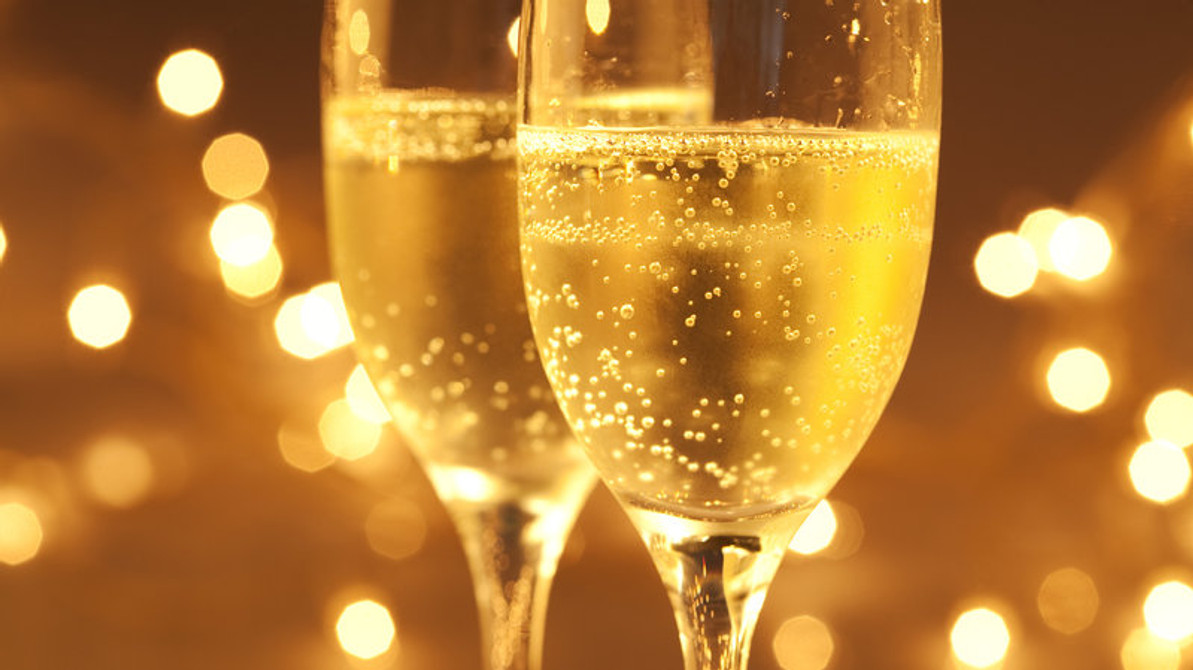
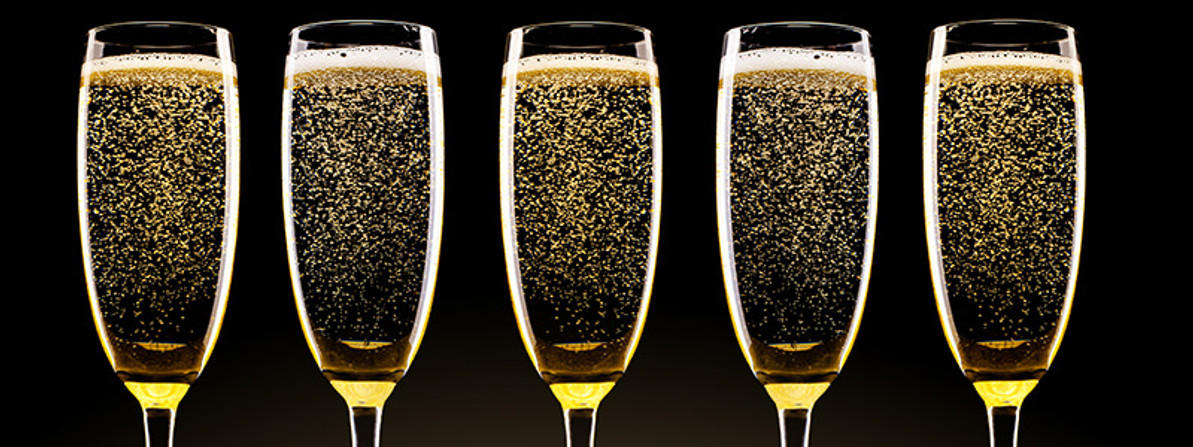
Out of all wines, none is so associated with luxury, celebration, and partying as champagne. “Bring out the bubbly” or “Pop the cork” usually refer to an invitation to drink champagne. Despite its popularity, There are some misconceptions about champagne. This article will give facts and interesting tidbits about this popular fizzy drink, and will also talk about the most popular champagne brands in the world, as well as types of food that go very well with this drink.
What is Champagne?
Champagne is an alcoholic drink with the defining characteristic of its fizz or bubble. Once associated with extreme luxury and royalty, champagne has always been regarded as an expensive drink, reserved for special occasions. However, these days, this drink is sold in a variety of prices. The quality of the drink remains superior as its production is derived from centuries of stringent quality control and revolutionary technological innovations.
What Classifies as Champagne?
Some people think that any sparkling white wine is synonymous with champagne. Many people use the term loosely to mean any type of generic sparkling wine. Sparkling wine is the general term used for carbonated wine.
Strictly speaking, what can be called champagne is wine that is produced only from grapes grown from the Champagne region of France. These grapes, when harvested and fermented, must follow strict rules and practices that are unique to the region. According to European Union law, then and only then will the wine be considered champagne. It is, therefore, illegal to label a wine product champagne unless it follows these two criteria: (1) it comes from the Champagne region; and (2) production should be subject to strict rules.
The Comite Interprofessionnel du vin de Champagne has a list of champagne growers and houses. So far, there are only 320 houses of Champagne and 16,000 winegrowers in the region. It is also important to note that only three varietals of grapes are accepted for champagne production. These grapes are chardonnay, pinot noir, and pinot meunier. It is not just the grape varieties that make champagne what it is. The climatic and geographical conditions of this region in northeastern France are also important. The region has a dual climate, limestone subsoil, and an undulating to moderately steep terrain. The vineyard boundaries of the Champagne region have been defined by the appellation system of France. The quality of this drink is strictly controlled by regional and national associations in France.
Special Characteristics of the Champagne Region
As previously mentioned, the strategic location of France’s Champagne region, as well as its rugged climate and distinctive soil, are all contributing factors to the quality of the wine it produces. Let’s take a closer look at these factors:
Dual Climate: The dual climate of the region is a contributing factor to the quality of its grapes. The vines are planted in a northerly location, which means a cold climate. It has low levels of sunshine, which results in grapes that are known for their freshness and crispness. The dual climate means that the region has nearly ideal rainfall conditions. This is ideal for quality grape production.
Limestone Subsoil: Limestone subsoil keeps the vines naturally watered all year round. This type of soil also provides the particularly subtle mineral flavor found in some champagne wines. The chalky substance in limestone makes it highly porous and capable of storing water. This natural reservoir gives the vines a steady water supply even during the driest of summers.
Sloped Terrain: The terrain in Champagne is undulating to moderately steep. These sloping vineyards are ideal because they provide excellent drainage and sunlight exposure.
Types of Champagne Grapes
Generally, there are only three types of champagne grapes:
Chardonnay: Chardonnay is an ancient grape type and it thrives in the cold climate of Champagne. Chardonnay is easy to grow and has an exceptional yield. Chardonnay grapes have a unique aroma – it produces an aroma of exotic fruits, peaches, raspberries, tea, vanilla, and roses. This grape variety yields delicately fragrant wines.
Pinot Noir: Pinot noir is a delicate grape variety. It is actually a red grape, so the transformation of red into white wine is carefully scheduled, a process that usually happened during the second fermentation. Pinot noir has the distinctive flavor of red berries with hints of herbs.
Pinot Meunier: This type of grape is characterized by its spicy aroma and robust flavor. It is never used alone in the champagne making process. It is almost always used in combination with either chardonnay or pinot noir. It produces a supple, fruity wine that is used to enrich the flavor and aroma of the champagne.
Early History of Champagne
One of the most well-known legends of how champagne came to be is the story of Dom Pérignon, a monk who made white wine in the Champagne region during the 1600s. During a particularly cold time in the region, he noticed that the yeast had converted sugar to alcohol earlier than expected. Because of this early fermentation, he decided to bottle the wine before it was due. What had happened was because of the cold; the yeast had simply gone to sleep without finishing its job of fermenting the sugar to alcohol. When spring came and the days became warmer, the yeast woke up and continued its fermentation process. The carbon dioxide that was created had no chance to escape because the liquid had been bottled, so the gas was absorbed by the wine, which resulted in its carbonation. As you would imagine, Dom Pérignon was surprised when he was met with popping corks when he checked on his wines. This story is a myth, of course.
Here are the facts: The first-ever recorded mention of effervescence in wine comes from an Egyptian papyrus which dates as far back as 522 AD. Medieval European literature also refers to secondary fermentation, which gives a wine its sparkling effect.
We now recognize champagne as a refined bubbly, fizzy drink. However, the first sparkling wines were developed from 1670 to 1690 and makers faced a less refined process. The common problem of Champagne producers during these early days was exploding bottles. In the early 18th century, producers developed cork stoppers fastened with wire and improved storing and aging conditions in cellars. When stronger bottles were developed and when the Champagne method was discovered, drinkers began enjoying the characteristics sparkle, which has become the signature of champagne. The Champagne method is often called the traditional method. Documentary evidence suggests that the Champagne region is the only geographical location where the sparkling wine that bears its name has been made on a regular basis for hundreds of years.
How is Champagne Produced?
Champagne grapes are picked between the months of August and October. They are usually handpicked to ensure that only the best grapes are used for the champagne. They are then carefully pressed using a gentle and gradual increase in pressure in strictly-regulated pressing centers. It should be characterized by low juice extraction.
The pressed juice is put into stainless steel tanks and will undergo the first fermentation process. The result of the first fermentation is acidic-tasting wine. A few producers still choose to ferment their wines in oak, but many producers prefer vats that are controlled thermostatically.
After the primary fermentation process, the next process is blending champagne wines. This is an important part of the winemaking method, where producers marry the three different grape varieties to bring out distinctive flavors. Sometimes, champagne blending focuses on a single variety. For instance, wines made from pure Chardonnay grapes are called Blanc de Blancs.
The Champagne method allows a second fermentation to occur within the bottle right after its first fermentation and bottling process. When the bottles are filled, they are hermetically sealed using a polyethylene stopper and reinforced with a metal cap. The bottles are then placed in a cellar. They need to be stacked horizontally. The second fermentation lasts for about 6 to 8 weeks. Bottle fermentation is when the champagne captures its sparkle and it completes the fermentation process.
The champagne will be aged in a cool cellar for a few more years. According to the French appellation, in order to completely develop the flavor of champagne, it should be aged for a minimum of 1.5 years. The best and most expensive Champagne wines are aged for more than five years.
After the aging process, the bottle is manipulated in a process called riddling. This is when the lees or deposits of dead yeast are made to settle in the neck of the bottle and removed. The bottle is rotated in this process in small increments. The pressure in the bottle forces out the lees. The bottles are placed in racks with bottlenecks facing downwards.
The final step in the production of champagne is the disgorgement, which finally eliminates the deposit that has collected on the neck of the bottle. Disgorgement is now done mechanically, but there are some producers that still do it by hand.
Popular Producers and Brands of Champagne
Dom Pérignon: This is the most well-known and most prestigious champagne brand in the world. Dom Pérignon is almost always the brand that big celebrities drink. This brand was named for a 17th-century Benedictine monk. He largely contributed to the development of champagne during his lifetime. Owned by Moët & Chandon, this brand is aged for seven years, ensuring top-notch taste and aroma.
Moët & Chandon: It is the best-selling champagne brand in the world. Its brand ambassadors are glamorous Hollywood celebrities and world-class athletes. Founded in 1743 by Claude Moët, it also sponsors the world’s most luxurious and high-profile events.
Veuve Clicquot: With its well-known yellow label, this champagne brand is probably the most recognizable champagne bottle in the world. This brand is attributed to the establishment of the drink as favored by European aristocracy. The name of the brand translates to “Widow Clicquot” in English. She was married to the company’s heir, Francois, and was widowed at age 27. She is attributed to be the first woman to ever run a champagne house. Innovative and headstrong, she saved the company and made the brand what it is today.
Bollinger: This is made from Pinot Noir grapes, which gives it a fruity and smoky flavor. Bollinger is also famous for sticking to oak during the aging process. Founded in 1829, they still use barrels that are 110 years old, which gives it a bruised, spicy flavor. The pop culture appeal of Bollinger stems from its presence in James Bond films and books.
Laurent-Perrier: This iconic champagne brand has been around since 1812. It is the symbol of understated elegance and sophistication. It was one of the first companies to have a system of temperature-controlled vats, as early as 1950. It now has a low-calorie champagne that the fashion crowd favors.
Popular Food Pairings with Champagne
Champagne is the ultimate party drink, and what’s a great party without great food?
Since champagne has the perfect balance of dryness, fruitiness, spiciness, and acidity, it pairs well with foods that have rich buttery sauces. It is perfect with a butter cream sauce. It is very good with pasta and risotto in butter-based or mushroom sauce. Avoid pairing it with tomato-based dishes because the taste clashes with the champagne flavor.
It is also perfectly paired with brie-style cheeses, goat cheese and mascarpone. It goes well with delicate meats such as lobster, shrimp, shellfish, calamari, oyster, grilled chicken breast, and smoked salmon. It works best with fruit-based desserts such as crepes or tarts. Egg dishes also pair very well with champagne. Try it with deviled eggs or poached eggs.
Another classic pairing is champagne and mushrooms. Any mushroom dish is elevated when paired with a bubbly drink. Surprisingly, buttered popcorn is really tasty when paired with champagne.
Need help for choosing the right drink for you liquor store Avon, CO can help you with all your drinks need.
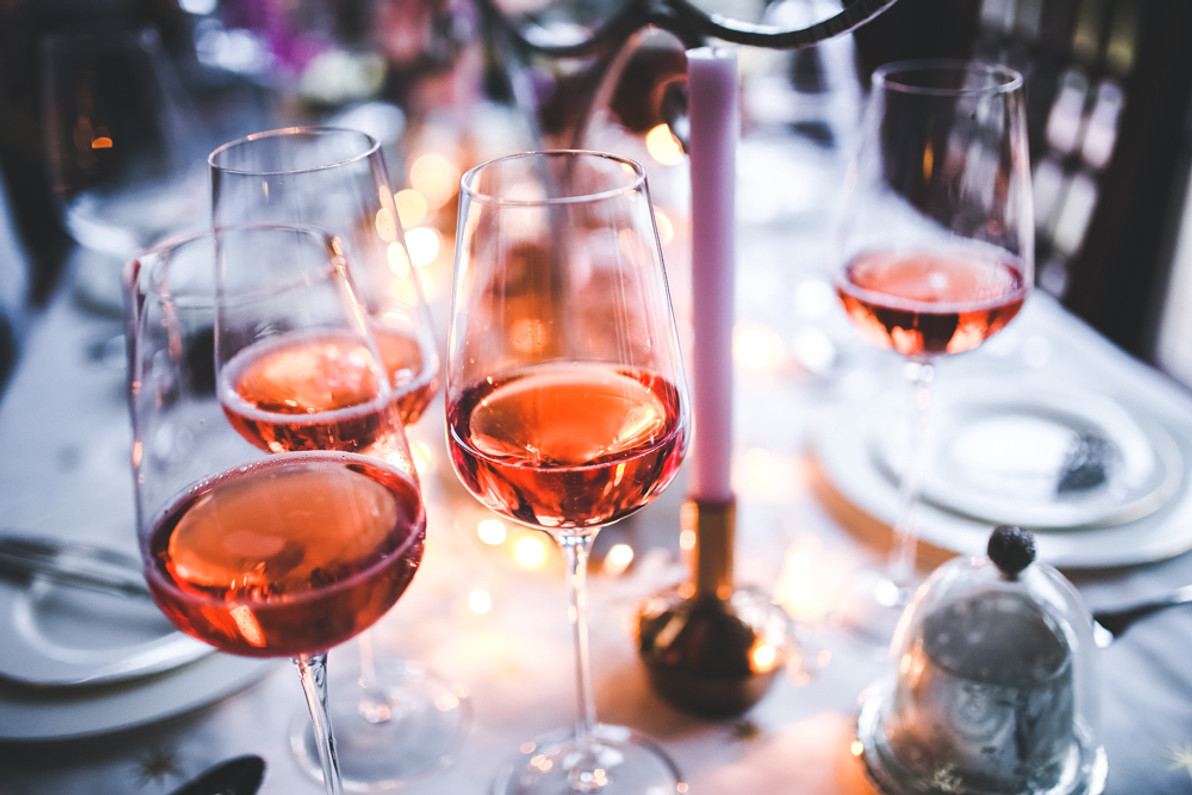
Rosé wine has become everyone’s favorite warm-weather drink. A great bottle of this wine is best drunk cold. You either stick it in the refrigerator or put ice cubes in it. Unlike red wine, it does not improve over the years. In fact, you shouldn’t drink a bottle that’s dated more than three years back.
Rosé Wine is made from red grapes that are crushed and macerated with their red skins for a certain amount of time. What gives this wine its trademark pinkish hue is the fact that the skins and stems of the red grape are taken out anywhere within hours or a few days of the wine-making process. The pink hue and its lighter body compared to other wines is the result of the very short contact with the grape skin.
The History of Rosé Wine
It may seem like it recently emerged in the wine scene, but actually, rosé is regarded as one of the first recorded wines. However, the early types of rosés, mainly found in Ancient Greece, were not at par with what is available today.
The ‘pleasant pink wine’ has its roots in Massalia in southern France. This is in the region of modern-day Marseille. When the Phocaeans brought grape vines in the area in 6th century BC, they produced field blends of white and red grapes. These lighter wines became very popular so by the time the Romans landed in Provence, the ‘pink wines of Massalia’ were already well-known. The trade networks of the Romans brought this wine to all the regions of the Mediterranean.
The United States was first introduced to rosé when Sutter Home White Zinfandel was introduced in 1975. This was a happy accident as Sutter Home’s Bob Trinchero couldn’t fully convert the sugar to alcohol, resulting in a slightly sweet wine.
Relegated to lower-priced restaurants and cafés from the 1980s to the 1990s, rosé emerged back into the scene in the early 2000s when U.S. resorts started stocking up on pink French wine, which Americans loved. This led to a surge in popularity of rosé, with social media making this wine greatly loved. Seizing an opportunity because of market demand, highly acclaimed French winemakers started producing excellent rosés. Today, this delicious wine is a staple in every major fine-dining restaurants, hotels, and resorts all over the world.
What Classifies a Rosé Wine?
Rosé is made from various types of red grapes. Unlike other wines, it isn’t from any specific grape or region. Often, rosé wines come from blends of multiple grape varieties. Some of the most common grapes used in rosés are Pinot Noir, Mourvédre, Syrah, Grenache, Carignan, Cabernet Sauvignon, and many more.
Rosés are typically made in two ways. The first way is when red grapes are pressed right after harvest, yielding the pale pink color. The second way is when the grapes are crushed then allowed to sit in contact with the skins before separating the pink juice.
The parts of the world famous for producing this pink-hued wine are France, Spain, Italy, and the United States. There are also great rosés from Chile, Uruguay, Germany, and Australia. Dry, traditional rosé is made in France, particularly in the Provence. In Spain, it is called “rosado”, while in Italy it is called “rosato.”
What Foods Pair Best with Rosé Wine
The best thing about rosé is that it is extremely versatile. This is because it happily falls in between red and white wines. It is less intense than red wine, yet has more depth than whites. Because of its medium flavor profile, it almost always goes well with whatever type of meat you prefer: fish, chicken, steak, or pork. It even goes well with vegetable dishes.
Dry rosés are best paired with lighter dishes, while sweeter rosés work with heavier or spicier types of food. The perfect food pairings for sweet White Zinfandel are buttery pastas or vegetable dishes. Tavel and Syrah rosés are best paired with stews and red meats.
The emergence of rosé as one of the most preferred wines is due to its versatility and its relatively inexpensive price. It is the ideal wine for any occasion – cocktail parties, luncheons, a beach outing, a picnic, or even for just chilling in front of the TV. When it comes to price, it is a bargain compared to other wines. You should be able to get a decent bottle within the $15 – $30 range.
Different Shades of Rosé
Rosé is available in different shades, depending on the grape variety and where it is grown. Often called the “pink wine”, its shades can range from pale pink to nearly red. Darker rosés usually have more body than their paler varieties. However, it may come as a surprise that there are paler-hued wines that have complex flavors.
Provence rosés are dry, with a crisp bite. They are usually made from a blend of Cabernet Sauvignon and Syrah. Just like the Provence variety, a Pinot Noir rosé has fruity notes and a bright, acidic taste. However, it is a shade darker and it is a bit earthier.
One of the most common varieties of rosé is White Zinfandel, which is bright pink in color and sweet. Similarly, White Merlot is also sweet, tasting like a berry dessert.
Tavel region in the Rhone Valley that exclusively makes rosé mainly from Grenache. This makes their wine hearty and spicy, close to red wine. Tavel rosé is darker than the other varieties. Another darker rosé is made from Syrah grape, which is very tannic.
Liquor store Vail, CO choose to use the skin contact method. This way we are able to pick the grapes for the rosé at the flavor profile that is liked the customers!
The next time you pour yourself a glass of wine, you can feel good about the health benefits in that 5 ounces. Research has revealed that when consumed in moderation, wine can be good for your physical well-being.
“The key to deriving any health benefits from wine is moderation,” says Vivian Tran, MD, an internal medicine physician at Scripps Clinic, Mission Valley. “Too much alcohol will have harmful effects on your body, and if there is a history of alcohol abuse in your family, be wary of any drinking.”
The 2015-2020 Dietary Guidelines for Americans define moderate drinking as one 5-ounce glass per day for women and two 5-ounce glasses per day for men. Check with your doctor for advice on your unique personal and family history.
Explore the benefits
Raise your one glass and consider these five ways wine helps your health:
1. Boosts heart health
Evidence-based studies over the past 50 years have consistently found that moderate drinking is associated with a lower risk of coronary heart disease.
“The exact mechanism is unknown, but it is hypothesized that through its HDL (good cholesterol) elevation, combined with its antithrombotic effects that reduce the formation of blood clots, moderate alcohol consumption can lower risk of coronary heart disease,” says Dr. Tran.
In addition, an occasional glass of wine may help you relax and relieve stress — a significant risk factor for heart disease.
2. May help you lose weight
Though it may seem counterintuitive, moderate alcohol drinkers are less likely to be obese than those who abstain, according to a study by the National Institutes of Health. A 5-ounce glass of wine has 120 to 150 calories, so remember to add that to your daily calorie count.
3. Raises good cholesterol
Based on the Framingham Heart Study, alcohol can protect against atherosclerosis, a condition where fatty deposits clog arteries. Alcohol may lower levels of lipoprotein, the particles that transport cholesterol and triglycerides in the blood stream — raising high-density lipoprotein (HDL) levels, and inhibiting low-density lipoprotein (LDL or bad cholesterol) oxidation.
4. Lowers risk of ischemic stroke
In the United States, it has been shown that light to moderate wine consumption can lower risk of ischemic stroke, which occurs when blood vessels to the brain become narrowed or clogged due to plaque.
Alcohol consumption does not lower risk for hemorrhagic stroke, which occurs when a blood vessel ruptures. The data showed the biggest difference in ages 60-69 years. Conversely, heavy alcohol consumption can actually increase risk of ischemic stroke, so it is important to drink only in moderation.
5. Boosts the immune system
While you shouldn’t stop taking your vitamins, flavonoids in wine can help you ward off colds and viruses. The antioxidants are thought to absorb the harmful chemicals naturally produced by the body.
So relax and toast to your health with a glass. Your body and mind will thank you.
As mentioned earlier, moderate drinking can improve your insulin sensitivity. It allows the cells of your body to use blood glucose more effectively, thus keeping your blood sugar level. To reap the health benefits of Wine, drop by the best Avon, CO Liquor Store anytime!
Chardonnay is a white grape variety that originated in the Burgundy wine region of France. It is a variety that is grown widely across all regions of Australia.
Is chardonnay sweet or dry?
Chardonnay is generally categorised as a dry wine. Occasionally it is made into a dessert style, but this is very rare.
What does chardonnay taste like?
This can vary depending on where the grapes are grown and how it is made. However, general flavour descriptors (moving from less ripe to very ripe fruit) for chardonnay are: grapefruit, citrus, nectarine, peach and apricot. Oak also plays a part and can add nutmeg, cinnamon, toast and vanilla aromas. Fermentation in the barrel can add creaminess and baked-bread notes.
When should you drink chardonnay?
This depends a little on how you like your wine to taste. As a young wine, chardonnay will have fresher, crisper, cleaner characteristics, with more primary fruit characters. As the wine ages, it will develop more richness and complexity. As a general rule, I would suggest somewhere between three and eight years, depending on the wine.
Making chardonnay
This is one of my favourite varieties to make. I call this the winemaker’s wine, because the winemaker can have a lot of influence over the style they want to make and there are many options available on how to make it. In contrast, a wine such as riesling is all about maintaining the purity of the fruit, with little influence from the winemaker.
The decisions the winemaker takes to make great chardonnay
When to pick: Picking earlier will mean greater acidity and more citrus flavours, while picking later will mean richer and more stonefruit flavours. Avon, CO Liquor Store, tend to try and pick at a range of ripeness levels to get some of each.
Oak: For me, there is only one answer – yes. In my opinion, oak adds so much more character to the wine, and if the correct oak is chosen, it can really enhance the natural assets of the wine.
Fermentation: This might be wild or inoculated ferment. I always do wild fermentation, which I finds adds greater texture to the wine.
Malolactic fermentation (MLF or ‘malo’): Malolactic fermentation is a bacterial fermentation, in which the malic acid (the acid found in apples) is converted to lactic acid (the acid found in milk), decreasing the perceived acidity of the wine. The amount of malo we do is determined by the year: if we think the acidity levels are a bit too high, we will do more malo. Generally, we will put about 20% of the wine through malo, but more in cooler years. Sometimes, the bacteria used to conduct the malo can produce a compound called diacetyl, which gives a buttery character. We try to avoid this, so we inoculate our chardonnay for malo using bacteria that don’t produce this compound.
Lees stirring (battonage): Lees are the dead yeast cells that remain in the wine once fermentation is finished. They generally sink to the bottom of the barrel. Lees stirring is the manual process of mixing the wine to re-suspend the yeast through the wine. This enables the yeast cells to break down more quickly (called autolysis). As the yeast cells break down, they release the contents of their cells and cell walls into the wine. These compounds contain lipids, proteins and fatty acids that enhance the creaminess and texture of the wine. If a winemaker wants more of this character, they need to lees-stir more often. If they want to maintain a crisper, fresher, tighter wine, they would stir the lees less frequently.
Combining these elements, and the subtle ways they can be balanced and finessed by the winemaker, are why I love making chardonnay. It’s a kind of alchemy. And I think that’s also what makes it the world’s most popular white wine – its variability means chardonnay appeals to so many different tastes.
A drink or two a day might be good for your brain, study says
Love a glass of wine with dinner? There’s good news for you from a study that finds “moderate” alcohol consumption—a glass or two per day—might actually preserve your memory and thinking skills
This held true for both men and women, the researchers said.
There was one caveat, however: The study of nearly 20,000 Americans tracked for an average of nine years found that the brain benefit from alcohol mostly applied to white people, not Black people. The reasons for that remain unclear, according to a team led by Changwei Li, an epidemiologist at the University of Georgia College of Public Health, in Athens.
Among whites, however, low to moderate drinking “was significantly associated with a consistently high cognitive function trajectory and a lower rate of cognitive decline,” compared to people who never drank, the team reported June 29 in JAMA Network Open.
The study couldn’t prove that moderate drinking directly caused the preservation of thinking and memory, only that there was an association.
The range of drinking considered “low to moderate” in the study was set at less than eight drinks per week for women and less than 15 drinks per week for men. Drink more frequently, and any benefit to the brain begins to fade and even turn into possible harm, the researchers stressed.
Also, although the tests administered to the study participants measured cognitive attributes such as memory (word recall), overall mental status (tests of knowledge, language) and vocabulary knowledge, they were not designed to gauge whether alcohol could shield people from Alzheimer’s or other dementias.
Still, the finding that moderate drinking does no harm to thinking skills, and may even provide a benefit, “could be good news for some of the alcohol-consuming public, which makes up the majority of Americans according to the National Survey on Drug Use and Health,” said geriatric psychiatrist Dr. Jeremy Koppel. He’s an associate professor at the Feinstein Institutes for Medical Research, in Manhasset, N.Y.
But there are always downsides to drinking, including its effects on the heart, Koppel added.
“As the study authors note, the benefits of potentially enhanced cognitive performance in alcohol-consuming middle-aged Americans must be weighed against the risks of hypertension and stroke, amongst other maladies, that this exposure may confer,” said Koppel, who wasn’t involved in the new study.
The research used comprehensive data from an ongoing federal government health study involving almost 20,000 people tracked for an average of nine years between 1996 and 2008. The participants averaged about 62 years of age at the beginning of the study and 60% were women.
Li’s team noted that the “findings are in line with previous research.” Those prior studies include a major study of Californians that found that moderate alcohol consumption was tied to better cognitive function among folks averaging about 73 years of age. And data from the ongoing Nurses’ Health Study found that drinking that didn’t exceed more than a drink per day seemed linked to a slowing of cognitive decline for women in their 70s.
None of this means that Americans can go out and raise multiple glasses of booze to good health, however, because problem drinking is a major cause of suffering across the United States. In that regard, “public health campaigns are still needed to further reduce alcohol drinking in middle-aged or older U.S. adults, particularly among men,” Li’s group said.
Red wine appears to be particularly beneficial because it contains high amounts of antioxidants. That said, drinking more red wine does not provide greater benefits. Again, drink in moderation. Evidence showed that red wine has up to 10 times more resveratrol than white wine.
In the Roman period, for what concerns the vine plantation, Pliny wrote that Italy had the supremacy because our country overtook the riches of any other country known at that time just with this production. Now you can understand how much wine is important to us. This importance dates back to ancient time.
Wine was already in the past the second drink after the water. Properzio said that wine was the stress cure for excellence. Horace stated that wine could dismiss troubles from your mind, those troubles which let your forehead pleated. Seneca tought that wine could relax yourself, ease off and nurse the sadness. These ancient men are really smart, aren’t they?
If you are in Colorado, drop by Avon, Colorado Liquor Store. The experts can recommend the best red wine and alcoholic drinks to drink for your health.
/GettyImages-498071509-5c8edf8c46e0fb0001f8d07f.jpg)



/arc-anglerfish-tgam-prod-tgam.s3.amazonaws.com/public/KV4YRUW2SJAW5PTD3M6L54TIAM)

 Paul Williams