3 Types of Wine to Cool down this Summer

Guide to Summer Wines |15 of the Best Wines for Warm Weather

Finally! The warmer months are on their way, and with them come relaxation, various festivities, and lots of sunshine. It’s time to delve into the light, refreshing wines of summer. Check out guide to the best wines for summer, which covers reds, whites, and rosés.

Best White Wines for Summer

When the heat is getting to you and you’re looking for the perfect refreshing glass of wine—or something to mix into a spritzer—white wine is an incredible option. Look for white wines with some of these qualities:

  • High acidity
  • Light to medium body
  • Dry taste

If you pick up a bottle of sweet wine, try to make sure that it also has a high acidity. The fruity sweetness of peaches and honeycomb partners particularly well with citrusy notes. Look for a dry white, which will be quite different from a dry red; the driest white wine is not nearly as dry as a high-tannin red.

Many white wines have a good bite to them, making them wonderful partners to seafood and cream-based dishes. Make sure to pick up a light- to medium-bodied wine to pair with your food—steer clear of full-bodied chardonnay options.

Riesling

Available in both sweet and dry versions, riesling is one of the most aromatic wines out there. This refreshing option makes for a wonderful table wine because it pairs well with a variety of foods.

Pinot Grigio

Also known as pinot gris, this variety of wine typically comes from Italy and France. Depending on the region in which it was created, the flavor profiles can vary significantly. The acidity of this easy-drinking wine pairs perfectly with seafood.

Sauvignon Blanc

One of the best wines for summer, sauvignon blanc has exploded in popularity. Creamy, spicy, and both acidic and soft, it’s an incredibly versatile choice.

Albariño

Spain’s quintessential white wine, albariño is made from a variety of white grape that creates the perfect refreshing glass of wine. You’ll taste notes of buttercup and peach and a salty touch of brine.

White Blends

When you have a bottle of a white blend, complex flavors will ignite your taste buds. Blends are better enjoyed a few degrees warmer than other chilled white wines. This summer, try blends of sauvignon blanc and semillon.

Best Rosé Wines for Summer

The fresh, crisp, flexible style of this wine makes it perfect for any day of the summer. Whether it’s rainy or sunny, incredibly hot or a perfect 70 degrees, there’s a style of rosé to match your needs.

When you’re looking for the perfect rosé, there are few things you should keep in mind:

  • The age of the bottle
  • Fruity doesn’t always mean sweet
  • Don’t be afraid of dry rosés

Whereas other wines get better with age, rosé wines should be consumed a year or two after production. They shouldn’t age any more than that because some of the qualities we love—such as the acidity and the crispness—will begin to deteriorate.

As you search for the perfect rosé wine, remember that a fruity wine doesn’t necessarily equal a sweet wine. Fruity wines can sometimes be on the drier side—but that’s not something to avoid. The dryness can bring a much-needed crispness to the wine.

Sparkling Rosé

There’s a wide variety of bubbly rosés for you to try: from dry brut rosés to sweeter Proseccos, there’s a sparkle for any occasion.

Provence Rosé

The French region of Provence is well known for its rosé. The crisp and refreshing nature of wines from this area make Provence rosé versatile and perfect for summer sipping.

Sangiovese Rosé

The bright copper colors of this wine shimmer with vibrant notes of melon, peach, and rose. It’s perfect for enjoying a Mediterranean meal on the porch on a summer night

Grenache Rosé

This wine is best served cold, so it’s perfect for those hot summer days. It blends tannins and acidity perfectly, leaving a delightful crisp aftertaste.

Pinot Noir Rosé

Perfect for a friendly gathering, pinot noir rosé is full of delicate flavors that mesh with every palate. It’s a bit on the drier side, so try this one at your next barbeque.

Best Red Wines for Summer

Pro tip: avoid heavy, full-bodied red wines during the summer. They’ll dehydrate you and tire you out at a time when you most need hydration. So which reds should you choose?

In the heat of the summer, look for red wines that have the following three qualities:

  • Great taste when chilled
  • Low tannin levels
  • Higher acidity

These three qualities fit well with warm weather and work in tandem with your body’s needs in the summer months. Chilled wines in the summer are a must—nobody likes a warm beverage on a hot day. You’ll often find that wine gains various qualities when chilled. That said, not all red wines taste great chilled, so choose wisely.

Higher acidity and low tannin levels will make your body happy in the summer. The dryness of red wines comes from high amounts of tannin—you’ll often find high tannin in full-bodied wines. Lighter-bodied wines will be crisper, and when you pair that with a higher acidity, you’ll end up with a refreshing sip of wine.

Cinsault

Cinsault tastes like somebody tossed a handful of fresh red berries into a blender. Its wonderful acidity pairs perfectly with the floral notes—it’s your next boating day wine.

Frappato

Low tannins make this an easy-drinking red wine. Its light-bodied nature points to its reliance on freshness rather than on overwhelming flavor. Serve this one lightly chilled.

Pinot Noir

Cool-climate pinot noirs are all the rage in the summertime. These types of wines are often quite fruit-driven, and their light body pairs perfectly with barbequed meats.

Lambrusco di Sorbara

Lambrusco is what you should grab if you want a sweeter red in the heat. Best served chilled, this bubbly wine is the perfect mix of acidity and sweetness. This type of Lambrusco is a bit more floral and perfect for days on the beach.

 Zweigelt

An explosion of both sweet and sour is what makes this Austrian wine so popular. A wonderful way to finish off a long day full of activities, these wines often have some carbonation to them.

At Avon, Colorado Liquor in Store, they strive to provide you with the wines you crave each season. Look through online wine store if you don’t want the hassle of finding the perfect wine—they have all the best options for this summer season!
How to Use Alcohol to Treat a Cold

How to Use Alcohol to Treat a Cold

There is no real cure for the common cold, but there are things you can do to temporarily alleviate some of its symptoms. Hot toddies, in particular, are a common home remedy for colds. Hot teas with a shot of alcohol might also help with certain symptoms of a cold, but if you are sick, the best advice is always to avoid alcohol and stick with other drinks.

However, if you do want to try an alcoholic drink when you’re sick, avoid drinking excessively since that will make you feel even worse and possibly make your cold last longer!

Method 1: Mixing Alcohol and Lemon

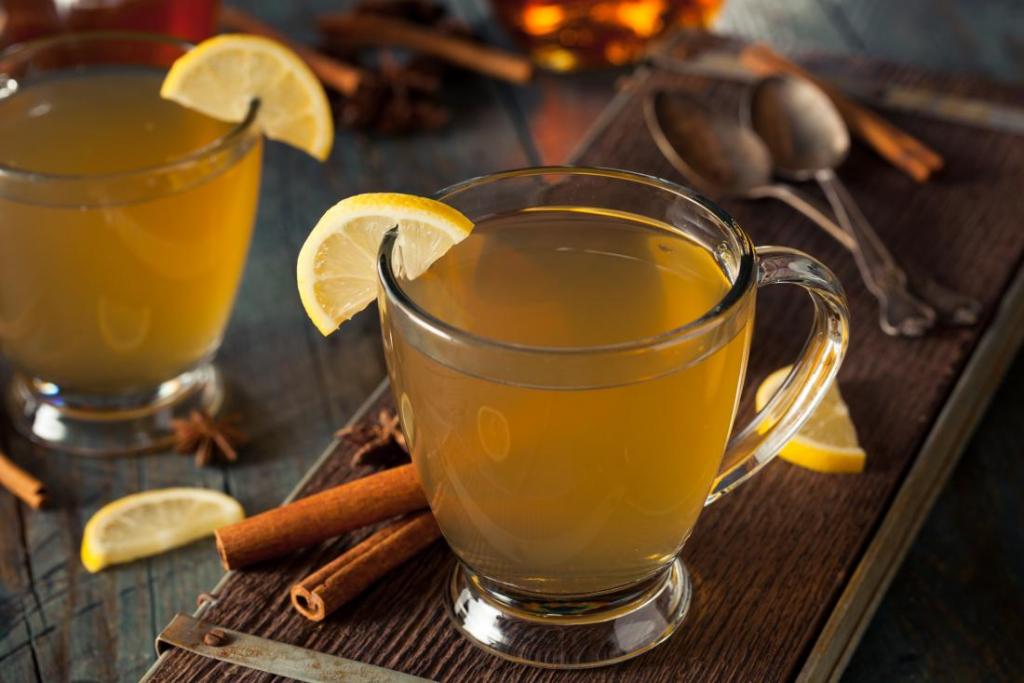
  1. Make a hot toddy. A hot toddy is a popular cold remedy. Pour 1 ounce (30 milliliters) of whiskey and 1 to 2 tablespoons of honey into a mug, then squeeze in the juice of 3 lemon wedges. Add 8 ounces (240 milliliters) of boiling water and stir to mix. Poke 8 to 10 cloves into a lemon wedge and plop it into the mug.
  2. Mix a honey-ginger-lemon tonic and add some whiskey. Peel a 1 inch (2.54 centimeter) piece of ginger root and chop it into small pieces. Add it to 8 ounces (240 milliliters) of water, along with the juice of half a lemon and 1 teaspoon of honey. Bring everything to a boil in a small saucepan, then pour the mixture through a strainer into a mug. Add 1 ounce (30 milliliters) of whiskey and stir. Drink the tonic while it is still hot.
  3. Make a cough syrup out of bourbon. If you’re coughing or suffering from a sore, scratchy throat, try this recipe for relief. Pour 2 ounces (60 milliliters) of bourbon and the juice of half a lemon (about 2 ounces/60 milliliters) into a mug. Put the mug into the microwave and heat for 45 seconds. Add 1 tablespoon of honey, stir, and heat for another 45 seconds. Drink your cough syrup while it is still hot.
  4. Try a gaelic punch. Mix the zest of six lemons with ¾ cup (12 tablespoons) of sugar. Wait one to two hours, then mix again and add 8 ounces (250 milliliters) of boiling water. Stir the mixture until the sugar dissolves. Strain the whole mix, then add 750 milliliters (about 3.2 cups) whisky. Finally, add another 32 ounces (4 cups) of water. Sprinkle some nutmeg over it and drop six thin lemon slices, each studded with four cloves, into the mix.

Method 2: Enjoying Alcoholic Teas

  1. Brew some hot toddy tea. The traditional hot toddy is also available in a flavorful tea variant. To get started, boil 8 ounces (240 milliliters) of water and add in ¼ teaspoon of ground ginger, 3 whole cloves, 1 cinnamon stick, and 2 bags of green or orange tea. Let it brew for 5 minutes, then take out the tea bags.
  2. Brew some berry-rum tea. A hot and flavorful mixture of herbal tea and booze can help you treat your cold. Brew a bag of berry-flavored herbal tea in 6 ounces (180 milliliters) of boiling water for two to three minutes. Discard the tea bag, then add 1 ½ ounces (45 milliliters) of white rum, ½ tablespoon of lemon juice, and 1 teaspoon of honey. Stir everything together, then garnish with a lemon twist (or some lemon peel).
  3. Try a whisky chai. Whisky chai is a tasty beverage that combines traditional chai tea with a bit of whisky. To get started, mix 16 powdered cloves, one teaspoon ginger, eight powdered cardamom pods (without seeds), 20 powdered black peppercorns, a pinch of nutmeg, and two powdered cinnamon sticks. In a medium saucepan, simmer one quart (one liter) of whole milk. Stir in the spices. Let the spices and milk mingle for 10 minutes.

Method 3: Knowing the Risks

  1. Drink with moderation. Drinking alcohol to treat a cold cannot replace modern medicine or rest. Drinking too much alcohol can cause liver damage in the long run and can also make cold symptoms, such as congestion, sore throats, and coughing, much worse. These remedies are best used occasionally.
  2. Be aware that alcohol can weaken the immune system. Drinking too much alcohol can weaken your immune system, making it easier for you to get sick. When you are already sick, your immune system is weaker than normal. This means that drinking alcohol while sick may make it even more difficult for you to recover.
  3. Know that alcohol can dehydrate you. When you are sick, you need to stay hydrated by drinking plenty of fluids; this helps improve sore throats and congestion. Certain fluids, such as alcohol and caffeine, can dehydrate you instead, making things like congestion, sore throats, and coughing worse.
  4. Check your medication for compatibility with alcohol. Many medicines used to treat colds react negatively with alcohol.  Combined with alcohol, they could cause dizziness, drowsiness, fainting, headaches, nausea, and vomiting. Check the user instructions you got with your medicine before drinking, and check the warning label. Common cold-related medicines that should not be taken with alcohol include:

So now if you know more benefits of alcohol visit the liquor store in Avon, Colorado.

15 Delicious Alcoholic Drinks For The Times You’re Down With Cough & Cold

15 Delicious Alcoholic Drinks For The Times You’re Down With Cough & Cold

Is this weather getting you down? Are you sniffling and coughing your way through the week, surrounded in an ever increasing mountain of tissues? Well, if you’re missing your unblocked nostrils and generally having a good time, here’s a few alcoholic beverages proven to sort out that cold and make your existence just a little more palatable.

1. Hot Toddy

You gotta start with the most common, and perhaps the most effective. Pour hot water onto whisky (or brandy), layer in some honey, and if your throat’s extra scratchy, add a dash of lemon juice, ground cloves, ground nutmeg and a cinnamon stick for garnish. And scene!

2. Pepper Ginger Cider

The drink with a name so arousing you almost don’t want to say it in public. Start by heating up a mix of 2 parts apple cider to 1 part bourbon in a saucepan, add in some ginger liqueur, a bit of lemon juice and garnish with a sprinkling of fresh black pepper.

3. Tequila blanco, lemon and salt

Blanco tequilas are aged for less than two months, and have a real raw, gobsmacking agave flavour which can almost shock your throat and nose into a temporary recovery. Rim your shot glass with salt, add a dash of lemon juice and knock this baby back – it’ll clear your sinuses and probably make you forget you had a cold in the first place.

4. Mulled Wine

The classic glögi. Heat your red wine in a saucepan, add oranges or lemons, cinnamon sticks, cloves, star anise, cardamom, some honey if you want it sweet and a dash of brandy. Simmer (don’t boil) for 15 minutes and you’re good to go.

5. Dead Rabbit Irish Coffee

This is one of the most delicious concoctions on the list. Heat up 1 1/2 parts white rum, 1 part dark chocolate, 1 part strong espresso coffee and 3/4 part fine sugar, stir until the mixture boils and then let it cool for around 3 minutes. Garnish with a scatter of chilli flakes and you’ve got a drink for the ages.

6. The Penicillin

Muddle fresh ginger in a shaker, add blended scotch, lemon juice, honey syrup and a wee bit of ice. Shake it like you mean it, and fine strain into a rocks glass. This truly is a wonder drug, hence the moniker.

7. White Whisky and Orange Juice

White Whisky can clear up your sinuses in a jiffy, and it just so happens that it goes great with vitamin C stuffed orange juice. Together, it’s a combination that obviously won’t cure you, but it’ll relieve a lot of the symptoms.

8. Hot Gin Punch

If a bunch of you are feeling the blues together, whip up a bowl of this feel-good nectar. Mix in equal parts gin and port wine, some lemon juice, pineapple chunks, orange slices, honey, cloves, ground nutmeg, ground cinnamon and brown sugar. Simmer on low heat in a saucepan for about 20 minutes and watch your buddies’ collective sighs turn into collective highs.

9. Hot Buttered Rum

A drink straight out of an adult Harry Potter novel, this is made with dark rum, boiling water, butter, ginger, cinnamon and sugar. Learn to make this deliciously boozy drink.

10. Old Irish Cure

One of the most ancient remedies from the kings of drinking themselves. Whip up a glass of whiskey, dark rum, fresh lemon juice, ginger juice, honey, some apple brandy if available and apple slices to garnish.

11. Gaelic Punch

Another one from the Irish, this one’s got the goods. Muddle lemon zest and sugar, add boiling water, Irish whisky and garnish with nutmeg. Your throat is gonna be doing an Irish jig after this libation.

12. Berry Rum Tea

Ain’t nothin’ better than a mix of herbal tea and liquid sunshine. Brew a bag of berry-flavored herbal tea, add white rum, lemon juice and a teaspoon of honey. Then lay back and gently float into the daze.

13. Jagermeister

No fancy shakers or mixers here, just regular old Jaeger. It’s made from 56 different herbs and spices, and can work wonder for relief from a sore throat, cough and cold. Just don’t go overboard.

14. Cumin and Cognac

Make a mix of cognac and jeera and take a spoon every 15-30 minutes. It’ll help soothe your throat within 3-4 hours, plus maybe give you a nice, manageable buzz while you’re at it.

15. Green Amber

Add vodka, single malt scotch whisky, honey syrup, lemon juice and brewed green tea into a tall Collins glass. Stir gently and sip with style, god knows you could use some.

For the best alcoholic drinks, visit the liquor store in Avon, CO.

White Wine in Winter: The Best Varieties for Chilly Weather

White Wine in Winter: The Best Varieties for Chilly Weather

When temperatures dip, many people want to cozy up by the fireplace with a bold, full-bodied red wine like Cabernet Sauvignon or Syrah. These rich wines are comforting this time of the year and often pair beautifully with hearty winter meals. But full-bodied red wines aren’t the only beverage of choice for the chilliest winter months.

Opulent and creamy white wine can be just as warm and comforting in the cold seasons. In fact, bolder white wines like Chardonnay, Viognier, Champagne, and Sauternes pair even better with some traditional winter foods than red wines do. 

The key to serving white wine in winter is to pick varieties that are concentrated in flavor, high in alcohol or acidity, and can stand up to dense winter dishes like stews and pot roasts. In this guide, you’ll learn how to select the perfect white wine for your next winter celebration. 

Why Drink White Wine in Winter?

The biggest misconception about drinking white wine is that you have to serve these wines at a much cooler temperature than red wines. The last thing most people want to do is drink an ice-cold glass of Sauvignon Blanc when it’s snowing outside.

This is one reason that people avoid drinking white wine in winter. However, when these wines are chilled down to 40 degrees or cooler, as they often are, their flavors tend to shut down. Instead, all white wines (even crisp, refreshing styles like Sauvignon Blanc) should be served between 45 and 55 degrees. Heavier, richer varieties like Chardonnay actually taste best when served around 55 degrees because their aromatics open up with some warmth.

So, while white wines should still be chilled, they shouldn’t be served ice cold—you won’t freeze when you drink a properly chilled white wine.

Many white wine varieties are perfect for winter because they complement a wide range of foods. Brawny and tannic red wines can easily overpower some dishes, while a concentrated Viognier or Chenin Blanc is slightly less intense. You’ll still get a wine with a powerful depth of flavor but these flavors will harmonize better with the dishes you serve. 

Serving white wine in winter is also a great way to impress guests at a holiday party or to break out of a wine rut. It’s easy to get tired of big red wines during the colder months. Breaking up the monotony with a honeyed Sauternes or a buttery Chardonnay can help reset your palate.

Dinner guests may not be expecting to drink still white wines at a winter holiday party, either; serving white wines is a fun and unexpected move. Your guests may be surprised by how well white wines pair with winter foods and you’ll get to share your favorite opulent white wines with friends.

Drinking white wine in winter is a perfect way to celebrate the season, but you’ll need to choose your varieties carefully. It’s best to save delicate styles for the spring and summer months and instead dip into your collection of racy and powerful white wines. Below are some of the best varieties and styles for winter drinking.

The Best White Wine Varieties for Winter Celebrations 

Dry white wines that are high in acidity or alcohol (or both) are some of the best varieties to drink in the winter, because they can stand up to heavier foods. Sparkling wines are also ideal for winter celebrations as they are festive and pair well with both light and rich dishes.

It’s traditional to serve Champagne this time of the year, so if you’re unsure whether you or your dinner guests will enjoy drinking still white wine in the winter, almost any sparkling wine is a safe alternative. If you’re looking for a wine to pair with dessert, try an ultra-sweet white wine like Sauternes and Tokaji. No matter what your winter celebration looks like, there is a perfect white wine for the occasion. 

You can visit the liquor store in Avon, Colorado if you wish to try new varieties of wine for your next celebration.

Which Is Healthier: Beer or Hard Alcohol?

Which Is Healthier: Beer or Hard Alcohol?

When it comes to the health benefits of beer vs. hard liquor, it might seem like the kind of problem you’d like to have. Just the idea that beer and hard liquor have health benefits may seem pretty enticing. But like most good things in life, it’s a little complicated.

Beer vs. Liquor

Beer contains phenolic compounds, which is where you would think the health benefits come in. Phenolic compounds are antioxidants, which you may think of as cancer fighting. In beer, the antioxidants originate mostly from barley malt, with the rest contributed by hops. The antioxidants in beer do have some health benefits.

But most liquor, beer, spirits and wine contain ethanol. It’s this form of alcohol that provides most of the health benefits from alcoholic beverages, as long as you’re consuming your adult beverage in moderation. Other than small differences, beer and hard liquor provide about the same health benefits. So it’s not really about beer vs. liquor or vodka vs. beer.

One advantage to hard liquor, or distilled liquor, is that many spirits have zero carbohydrates. Vodka, rum, whiskey, gin and tequila in their pure form have no carbohydrates, which is beneficial if you’re trying to keep your blood sugar from spiking. The calorie content is typically lower than that of beer if you’re tracking your food and beverages on a calorie counter.

Rum, however, may have added spices and sugar, and sugar will add to the carbohydrate and calorie count. Any hard liquor, when combined with a sugary additive, takes on more calories and carbohydrates.

Alcohol’s main health benefit is on heart health. That doesn’t mean you should take up drinking to increase your cardiovascular health. The best thing to do is discuss any alcohol consumption truthfully with your doctor.

Moderation Is Key

It should be emphasized repeatedly that moderation is the key to any health benefits from alcohol use. Harvard’s Health Professionals Follow-up Study of 38,000 men over 12 years, concluded that moderate drinkers were 35 percent less likely to suffer a heart attack than nondrinkers.

The observation held for beer, hard liquor and wine, and for those who drank alcohol with a meal or without a meal. Interestingly, men who drank light to moderate amounts three or more days a week were less likely to have a heart attack than men who drank once or twice a week.

For women, the Nurses’ Health Study, detailed in the American Journal of Public Health, showed that women who drank one drink per day over four days were healthier than those who drank that same amount in one or two days. For women, any kind of alcohol, whether from beer, hard liquor or wine, was linked to lower heart disease risk, but a higher risk of breast cancer.

So, What Is a Drink?

One beer is considered to be a 12-ounce beer, with 5 percent alcohol content. One serving of hard liquor is a 1.5 ounce glass of 80-proof liquor. Moderate alcohol use for healthy adults is no more than one drink a day for women and no more than two drinks a day for men.

The Drawbacks of Alcohol

Alcohol isn’t a panacea for good health. Moderate drinkers may, in fact, be healthier because they have more healthy dietary and exercise habits than the population as a whole.

Alcoholic beverages can be unhealthy for certain groups of people. You should avoid alcohol if you are pregnant, have a weak heart, have a family history of alcoholism, have liver or pancreatic disease, have had a stroke, or take medicine that interacts with alcohol.

Alcohol use, particularly excessive alcohol use, is also associated with breast cancer and cancers of the liver, esophagus, colon, rectum and larynx.

To reap the heart-health benefits of drinking, moderation is key! If you choose to imbibe, drop by a liquor store in Avon, Colorado.

Difference between Vodka and Beer

Difference between Vodka and Beer

Vodka and Beer are two complete different drinks and to compare them in the same class is injustice. Both are very popular drinks and are consumed worldwide. Beer and Vodka are different in terms of taste, production process and even consumption. Vodka can be drunk neat but it can also be added to other drinks such as juices and cold drinks to create a cocktail. However, beer is often drunk without mixing with any other flavors.

First of all alcoholic drinks are created by juice of some product (barley, wheat, grapes, etc.), to which then yeast is added to remove the sugar from the product. After the yeast removes the sugar, drink then becomes alcohol with a very low proof.

Some drinks are then put through the process of distillation (a process of evaporation) a few times till it is the strength that is needed. The process of distillation removes the water from the alcohol, leaving purer substances which are stronger. The strength of the drinks is then placed on the bottle in terms of proof; ever notice the 75 or 80 proof on the bottles?

Vodka is a distilled spirit that is composed of water and ethanol. It is made by distilling juices from various fermented substances such as grains, potatoes and sometimes sugar or fruit. The distillation from sugar and fruit are also sold as flavored vodka. Vodkas were introduced in the United States after 1940s, before this time it was sold in countries such as Belarusian, Polish, Russian and Lithuanian.

The traditional vodkas are 40% alcohol by volume (ABV) or 80 proof. In European Union, requires vodkas to have minimum 37.5% ABV for any “European vodka” to be known as vodka. United states requires minimum 30%.

The term ‘vodka’ is derived from the Slavic word voda (water) and is often believed to refer to vodka as little water due to its clear color. Traditionally, vodka was a drink that was expected to be consumed neat (without any additives) in the vodka belt countries of Eastern Europe.

However, these days vodka plays a main ingredient in many cocktails including Bloody Mary, Screwdriver, Sex on the Beach, Moscow Mule, White Russian, Black Russian, etc. It can also be consumed with soft drinks or is often great for mixing with gin and tonic.

Beer is one of the most popular alcoholic beverages that is available and consumed world-wide. It is also the third most popular drink following water and tea. Beer is an alcoholic beverage produced by the saccharification of starch and fermentation of the resulting sugar. Beer is commonly made from malted barley or malted wheat and flavored with hops, herbs or fruits (occasionally).

Beer has been around since the early Neolithic or 9500 BC, when cereal was farmed. The first recorded history of beer is found in the texts of ancient Egypt and Mesopotamia.  According to many archeologists, beer may have been a crucial instrument in forming civilizations.

Beer recipe has also been found in a hymn to goddess Ninkasi in some of the earliest Sumerian writings. The modern beer that is made today was developed in 1516, when William IV, Duke of Bavaria adopted a food regulation known as Reinheitsgebot. The regulation only allowed the use of water, hops and barley-malt in beer.

The producing of the beer is known as brewing, while places that are only dedicated to producing beer are known as breweries. Brewing can happen in either a brewery or at home. Producing beer at home or in small amounts is known as homebrewing.

The process of producing beer requires putting the ingredients through a strict process. First malted barley or malted wheat is added to hot water to create a mash, this is known as mashing and is done in a mash tun. The hot water turns the starch into sugars and create a sweet liquid known as wort. The wort is then filtered and separated from the mash into another container which is made of copper and is also known as copper.

The remaining grain in the mash tun can be put through another process of washing to collect more fermentable liquid. However, the beer created from this liquid will be weak. The wort that was placed in the copper is boiled for an hour to separate the water from the starch and during this process hops are added to the liquid to give it a sweet, bitter flavor. The longer the hops are boiled, the stronger the flavor.

The liquid is then filtered and cooled in another container. Some breweries may put the liquid through another batch of hops during filtering to provide a stronger taste and aroma. After the liquid cools, it is then added with yeast and left to ferment, which can take from a week to a month depending on the strength of the yeast and the beer.

Once the yeast settles, the beer is then filtered into kegs, bottles or cans for distribution. Some breweries may also add clarifying agents to the beer to make the beer appear clear and bright.

There are various different varieties of beer:

  • Pale Ale: This is a type of beer that uses top-fermenting yeast.
  • Stout: Stouts and porters are beers that are darker in color and use roasted malted wheat or barley. These are also brewed with slow fermenting yeast.
  • Mild: These beers have a predominantly malty palate. They are dark colored and have an ABV of 3% to 3.6% and can go up to 6%.
  • Wheat: Wheat beer is brewed largely from malted wheat and uses only a small portion of malted barley.
  • Lager: Lager is the English name for cool fermenting beers of Central European origin. It uses bottom fermenting yeast.
  • Lambic: This is a Belgium beer that uses wild yeasts for fermenting. 

If you really want to buy a good quality beer or vodka visit the Avon, Colorado liquor store.

Top Least Fattening Ways to Get Drunk

The 9 Least Fattening Ways to Get Drunk

It’s summer after all. The pubs are finally open, the sun’s shining and the ‘fancy a pint?’ texts are flowing in with alarming regularity. If you want to move forward in a health-conscious way, then you need a plan; an approach that gives you full control over what you’re drinking, without robbing you of any of the fun or spontaneity that the silly season calls for.

Your favourite beer isn’t far behind either, with an average of 149 calories per pint. Don’t forget also that when we drink our blood sugar levels struggle to stay balanced so in addition to the booze you’ll probably want to devour something nasty on the way home. And this is on top of the calories you consume for the same reason whilst hungover. Life is hard.

High alcohol/ low sugar cocktails

Feel like treating yourself but don’t want to blow the six-pack plan? Not all cocktails are created equal. Many of the concoctions you get served up in bars are basically desserts, packed with sugars and calories.

A mojito without sugar or sugar syrup – just soda, lime, mint and rum – is better for you. Other classics of the low-fat genre include:

  • Martini (vodka/gin, vermouth, lemon peel)
  • Negroni (Gin, vermouth, Campari, slice of orange)
  • Old Fashioned (Whiskey/bourbon, Angosturan bitters, orange slice)
  • Bloody Mary (Vodka, tomato juice, lemon juice, splashes of Worcestershire sauce and smoked Tabasco, celery stick)

Eat a sizeable meal before you go out

We know this sounds slightly counter-productive from a weight loss perspective, but hear us out. How many times have you picked up a light bite on your way to the pub, to “line your stomach”, only to grow ravenously hungry over the course of the night as the hours pass and the drinks go down? You’re not going to order that exorbitantly-priced salad on the menu – your beer brain will simply not allow you to even consider it, and your body needs something more substantial anyway.

It’s just not healthy to stave off hunger or drink on an empty stomach! Even if you do manage to resist ordering that burger/Sunday roast/sharing platter of nachos, you’re only kicking the can down the road towards the kebab shop, where you’ll soon be jabbing at a big styrofaom box of meat and chips.

Practise mindful drinking – and drink some water

Why is it that we’re able to down pint after pint of beer over a short period of time, when the prospect of doing so with any other drink feels weird and slightly nauseating? Well, it’s because alcohol is a diuretic, and stronger booze can have a dehydrating effect on your body.

It’s not just FOMO keeping you out for one more drink and the promise of a weekend-ruining hangover – it’s science, too. This is especially the case if you’re drinking on an empty stomach, and alcohol takes a while to metabolise, so you’re not feeling the full impact of your pint immediately.

Get out of the round system

You arrive at the pub to meet your friends, and someone immediately asks you what you want from the bar. You don’t want to complicate their order with an obscure light beer or expensive cocktail, so you just go along with the crowd. A pint of non-specific lager, please.

And now you’re trapped in a high calorie round-cycle, trying to keep pace with everyone out of politeness and buying endless drinks that you never even wanted in the first place.

Take your spirits with low-sugar mixers

Unsurprisingly, straight spirits contain the least amount of calories as are nearly entirely ethanol without added sugar. Vodka is the alcohol with the lowest calories, at around 100 calories per shot (that’s a 50 ml double-measure). Whisky is slightly more, at roughly 110 calories a shot. Gin and tequila are also 110 calories a shot. More sugary spirits, like sambuca, come in around 160 calories a shot.

If you can’t face endless shots of vodka then substitute your soft drink mixer with soda water or diet tonic which have very little sugar. Even water if you’re feeling particularly bulgy post-dinner.

Embrace Prosecco

Prosecco is around 70 calories per 100ml glass, compared to its more glamorous cousin Champagne, which comes in at roughly 95 calories per glass (it’s less expensive, too). Prosecco or champagne cocktails usually mask the sharpness of the sparkling wine with sugar, so avoid these and just drink the bubbly stuff on its own.

It’s an especially good choice if you somehow find yourself at one of those bottomless boozy brunches (though if you’re trying to move forward in a more health-conscious way, the entire concept is far from ideal, obviously). While limitless pints might seem like the more appealing option, plastic flagons of beer will do absolutely no favours to your waistline.

Avoid sweet wines

Wine varies depending on the sweetness of the grape you choose, but a glass of red or white wine ranges on average from 84 to 90 calories. Dry wines contain minimal sugar and commonly have less than one gram of sugar per ounce.

Comparatively, sweeter wines can be in excess of 2g per ounce, which will make a difference if you’re picking a bottle. Or three. Dry red grapes include Pinot Noir, Merlot and Cabernet Sauvignon.

If you’re really committing to the new year’s diet, then there are plenty of low-calories options, too. Non-alcoholic and light wines, which generally come in at 0.5% ABV per glass, are improving in quality and are widely available from supermarkets (although you might have a harder time at restaurants).

Swallow your pride and buy light beer

If you can’t resist a cheeky pint (you #lad) then light beer is on average around 100 calories per can. This retains some of that flavour whilst saving about 50 calories compared to regular beer. However, a lot of diet beer also cuts out the alcohol meaning you need to drink twice the amount the get the same buzz – a fairly pointless idea.

To reap the health benefits of alcohol visit a liquor store in Avon, Colorado.

10 Cocktails You Can Make With Vodka

Vodka
Vodka

Vodka has a light taste that goes well with just about any fruit or herb, and it’s not too overpowering like gin. It is also a versatile spirit that can be used in many different cocktails. 

1. Hibiscus Vodka Cocktail

This cocktail is made using vodka infused with dried hibiscus flowers (or flowers of jamaica). The flowers steep rapidly so that the vodka is ready to use. You can make a homemade hibiscus syrup or purchase one. 

The Hibiscus Vodka Cocktail is a refreshing, tropical-flavored twist on the classic Moscow Mule. It’s perfect after an intense day at work or even during long days outside in summer heat! 

2. Moscow Mule

Moscow mule is made of ginger beer, lime juice, and vodka. A classic Moscow mule recipe also includes a dash of bitters for added flavor. It’s the perfect drink to sip on hot summer days or match with food such as steak and pasta!

3. Bloody Mary

Bloody Mary is a drink that many people think of in the morning. It’s made with vodka and tomato juice, giving it its distinct red color. 

To make this classic cocktail all you need are some celery stalks, lemon wedges, Worcestershire sauce, or soy sauce for dipping your bacon strips into as well as pepper to taste!

4. Blackberry Basil Smash

Blackberry Basil Smash is the perfect drink for those who enjoy fruity and savory cocktails. This luscious recipe of blackberries with a hint of herbs will be great for summer afternoons in the garden or evening parties at home.

5. Peach Mint Mule

There is a variety of floral, fruity, and refreshing summer cocktails for you to try this season. For something sweet, the Peach Mint Mule is an excellent choice. 

This cocktail combines vodka with peaches, mint leaves, fresh lime juice, and ginger beer in perfect proportions, making it just as wonderful to drink on its own or mixed into another beverage!

6. Cosmopolitan

The Cosmopolitan cocktail has been around for decades and is a favorite of many. It combines sweet, sour, salty flavors to create the perfect combination that tastes like sunshine on your lips every time you take one sip!

7. Madras

The tangy Madras drink is a delicious accompaniment to pizzas or cheese rolls. Made with an orange and cranberry, the beverage has its own unique taste that can be enjoyed at any time of day!

8. Chocolate Martini

If you’re looking for a drink that’s not too sweet or overpowering, the chocolate martini is perfect. Made with premium vodka and hazelnut liqueur, it creates an all-around smooth flavor experience without the lingering sweetness of some other cocktails on the menu. 

It tastes just like dessert! You don’t even have to spend a whole day in the kitchen as the total time it takes to prepare the concoction is just a few minutes.

9. Appletini

The appletini is a refreshing cocktail with vodka and apple liqueur. The ingredients are shaken together to create an icy-cold beverage often served in tall glasses on ice or over rocks. 

Top it off with pineapple juice if desired so you’re getting all your fruit nutrients at once! Plus, the prep time for this drink doesn’t take long.

10. Screwdriver

A screwdriver is a popular highball drink made with orange juice and vodka. It’s easy to make too which makes serving very fast for your guests. 

Simply pour the ingredients’ measurements into a glass over crushed ice, give it an initial stir before giving it another turn with your straw for added texture. 

Moreover, read up on your states or county’s rules and regulation on vodka delivery before you get some delivered to your doorsteps. This is very important as it may be illegal for stores to deliver them. Consuming alcohol does not make you a bad person. You must keep in mind the pros and cons of your decision and then act upon it because acting responsibly will make sure that no one will get hurt. If you want to enjoy these benefits of vodka then you can visit the best liquor store in Vail, Colorado where you can get best quality of vodka to keep you healthy.

7 Reasons You Should Drink Wine in The Morning

Fine wine
Fine Wine

A drink of wine is a 5-ounce pour. And when we say “moderate drinking,” we refer to what is clinically considered to be healthy. Things are simple; women must not consume more than one glass a day. Men must not consume more than two.

And now that you’re well aware of what means healthy wine drinking pour yourself a glass to sip while you find out why you should drink wine in the morning.

1. Wine Contains Antioxidants

Wine could be your best ally in the battle to fighting off the free radicals that cause terrible health issues including cancer. Wine is loaded with antioxidants, tiny molecules that attack free radicals whenever needed.

If you’re drinking wine for antioxidants, go with white. A study conducted by the University of Barcelona showed that the phenols in white wine had the same amount, if not more antioxidants than red wine. This is at least interesting because most wine drinkers commonly believe red wine provides the most health benefits when consumed in moderate amounts. 

Whenever specialists talk about healthy living and longevity, it is impossible to not hear about the Mediterranean diet time and time again. At the core of that diet, beyond vegetables and extra virgin olive oil, there is wine. Apparently, there is something magical inside the daily glass of wine that increases lifespan.

2. Wine Boosts The Immune System

Okay, perhaps you shouldn’t stop taking your daily vitamins just yet, but drinking a glass of wine every day will give your immune system a boost. Okay, perhaps you shouldn’t stop taking your daily vitamins just yet, but drinking a glass of wine every day will give your immune system a boost.

Moderate consumption of alcohol wards off infections and keeps your immune system in check. Don’t get too carried away, though. Excessive alcohol consumption can lead to negative effects that defeat the whole purpose or drinking wine for an immunity boost.

3. Wine Increases Bone Density

With age advancement, our bones get brittle. Although you could increase the calcium intake by drinking milk and eating leafy greens, you can also do yourself a real favor and sip on a relaxing glass of wine.

Red wine, in particular, has high levels of calcium, which is great for your bone mineral density. Wine increases the density and reduces the chance of osteoporosis. And it may help you doze off at night.

4. Wine Reduces The Risk Of Heart Disease

In the battle against cardiovascular and heart disease, it is well worth it to take all necessary precautions, especially when there is wine involved, that is.

According to research, the tannins found in red wine contain procyanidins, a type of phenols which neutralize free radicals and that have been shown to be effective in preventing heart and cardiovascular disease. A study by researchers at the Haifa Institute of Technology in Israel tested the effects of red wine on the health of the cardiovascular system.

5. Wine Lowers Cholesterol

Do you have high bad cholesterol levels and no dietary guidelines? Pour yourself a bowl of your Cheerios in the morning and drink some wine alongside it. Substances called procyanidins and found in red wine are shown to promote a healthy heart also reduce cholesterol levels.

6. Wine Reduces The Risk Of Stroke

It seems that wine acts as a natural blood thinner, breaking up any blood clots that could lead to a stroke.

Although the lower risk of blood clotting is more beneficial to women, men can also draw their advantages. Once again, it’s red wine, in particular, that contains phenols that act as a blood thinner in similar regard to aspirin. And once again, it’s resveratrol is mostly to thank.

7. Wine Reduces The Risk Of  Diabetes

Let’s face it, flat out, diabetes sucks. Once you’ve been diagnosed, say goodbye to indulging in cravings without considering the health repercussions which often result in more than a bigger waistline.

Yet, there is good news! And the good news is that if you are at risk for type 2 diabetes, a glass of wine in the morning may help. To buy good quality wine reach out to the Vail, Colorado Liquor Store.

10 Random Beer Facts

beer
Beer

Beer, alcoholic beverage produced by extracting raw materials with water, boiling (usually with hops), and fermenting. In some countries beer is defined by law—as in Germany, where the standard ingredients, besides water, are malt (kiln-dried germinated barley), hops, and yeast.

  • Beer is mostly composed of *drumroll* WATER! Common, we all know that!
  • Beer is the most popular beverage in the world, just behind water and tea.
  • Ever heard the term Beer belly? Scientist suggest pouring your beer into a chilled glass to release the carbon dioxide and prevent it from expanding in your stomach, hence why people often get unwanted bloating.
  • Most beers fall into one of two categories: Ales and Lager.
  • The first professional brewers were all women. Shout out to my ladies!
  • Hops is the main ingredient that makes beer bitter… but what you didn’t know is that hops is a type of flower!
  • The first beer can was invented in 1935… hmm, not even a century old yet!
  • Saying ‘cheers’ while having a beer with friends is an old ancient tradition people did believing that the clinking helped protect people’s lives.
  • Beer contains vitamins B1, B2 and B6 and B7. B vitamins have many positive health benefits including stimulating metabolism, formation of red blood cells, and even helping to improve concentration.
  • And lastly, while you’re reading this, about 50 million people around the world are drunk right now. So go have yourself a beer and happy fri-yay!

For beer lovers, there should be an upper cap that restricts them from drinking further. Isn’t it? It is easier to stay within limits when you know how much beer you can drink at one time.

To have a clear understanding of how far you can go while drinking beer, so you don’t leave a party with regrets, consult with the staff of a liquor store in Vail, Colorado.

Design a site like this with WordPress.com
Get started