5 Benefits of Red Wine for Your Hair and Skin Health

5 Benefits of Red Wine for Your Hair and Skin Health

Every bottle of this alcoholic drink is made differently. Even one brand has trouble making every bottle taste, feel at age the same. But, the consistency in bottles should not matter to you too much because you will be using them for the health of your body instead of drinking them. Although, if you want, you can always take a sip from the bottle.

There are also a few other differences that have to consider. More specifically, categories. These days, mostly see three different categories: dry, medium-dry, and sweet. These categories are different based on the amount of sugar per liter. Since you are trying to heal your skin or your hair, you should be looking at the bottle with the lowest amount of sugar. Naturally, that is the dry type of wine.

Antiaging properties

In human history this alcoholic drink has been seen as a type of medicine. The Egyptian Empire, the Roman Empire, and many other civilizations all that time used it as a way to heal wounds and many different illnesses. Of course, grapes are not some kind of universal solution to every problem, but at that time, it was believed so.

During that time, people love the idea of baiting in this drink, especially those of higher class at play because they believed it had antiaging properties. Believe it or not, but they actually were not wrong. The antioxidants that can be found in the grapes, or more specifically in the peel of the grapes can be very useful to battle against aging skin.

Many experts and nutritionists also believe in this claim and have proved it.

It can help battle depigmenting

The medicinal knowledge for skincare has developed by a whole lot in these past 10, 20, or maybe even 30 years. What was once seen as unsolvable, can now easily be treated. But, there are still some skin diseases or illnesses that simply cannot be “cured”. The only solution is that either hinder the process of the problem or at least temporarily remove it.

Fortunately, there has been some information circulating that red wine is also good for depigmenting or vitiligo.

If you have been facing this kind of problem, it will not hurt to try this as a solution. Maybe it will reverse the process or at least temporarily hinder it.

Great against acne

Another problem that a lot of people battle against is acne. Whether you are a teenager or a grown adult, this medical issue can show up out of nowhere. And sometimes all those medical appointments, oils, and creams simply do not work. Of course, for some people, those creams will work, but for others, it will have no effect at all.

This is why people should experiment with more natural and organic products such as red wine. If you topically apply this to your face, there will be no side effects or consequences. Some would say that the alcohol in this drink could damage the epidermis, but the alcohol level is quite low for that to happen.

Can make your hair thicker

The benefits of using red wine do not stop there. It is not just used to help with skin health, it can also be useful for hair. Those same antioxidants from the peel of the grapes can be good for your hair. Some people have reported that applying red wine to hair has made it thicker.

Reduces hair loss

I have also seen people claiming that red wine has helped with some serious hair loss. The antioxidants from the grapes and all those other vitamins and nutrition can increase the blood flow in your scalp, improving the hair follicles. This strengthens the connection between the hair strands in your head, reducing the amount of hair loss.

As you can see, it is actually very beneficial to start using red wine to help both with your hair in your skin and you can also buy it from the Avon, Colorado liquor store at a reasonable price.

Pour it up, Pour it Up. This Wine Rinse Will Leave Your Hair Poppin’!

Pour it up, Pour it Up. This Wine Rinse Will Leave Your Hair Poppin'!
Pour it up, Pour it Up. This Wine Rinse Will Leave Your Hair Poppin’!

You know what they say about a glass of red wine a day keeping the late night munchies away? Well, fortunately for us, there is another reason to start stocking up on wine.

In recent years, studies have shown the health benefits of moderate wine drinking specifically attibuted to red wine. Of course, I took this concept and ran with it, although adjusting to red over my white wine preference took awhile. But what if I told you there are also studies claiming that a wine rinse applied topically could give the same benfits, but even more pronounced? People in the beauty industry have been writing about using wine for skin and haircare purposes and contemplating if it’s worth it. So, can a wine rinse good be good for your hair?

The Science Behind The Rinse

Most studies suggest that wine applied directly to the hair as a rinse can have some unique benefits that are hard to find elsewhere. It is important to note you want to use red wine over white wine since red is higher in antioxidants than white. Rinsing hair with red wine can help with UV protection, hair loss, dandruff, and irritated scalp.

Red wine contains an ingredient called resveratrol, that helps stop hair loss while also stimulating the scalp with improved circulation. Resveratrol gets rid of inflammation while encouraging new cell turnover for a healthy scalp capable of producing new growth. According to Allure, “Wine does contain resveratrol, which has been shown to be a powerful antioxidant and useful for treating sun damage and the effects of aging,” reports dermatologist Jason Emer.

“And other polypheols (like tannins) that are common in wine may be useful for aging and inflammation, as they have been thought to fight free radicals and decrease the risk of cancer when drunk. To have any long-term benefit, however, they would likely need to be constantly applied topically.”

Will It Color My Hair?

Many women with blonde or lighter hair shades may worry about the red wine dying their hair. While red wine can be used to create a temporary dye, it is usually combined with henna to achieve that effect. Red wine alone won’t change your hair color. If it does give it a slight red hue, it can be washed out with a few washes. If you are worried about this, you can always do a strand test to make sure it won’t be a problem for you.

Can’t I Just Drink It?

You can drink red wine and reap these same benefits for the most part. However, if you apply the red wine directly to the source, you will see results faster and in a more pronounced way. Hair will also get a luster to it when the wine is applied topically.

How Do I Do a Wine Rinse?

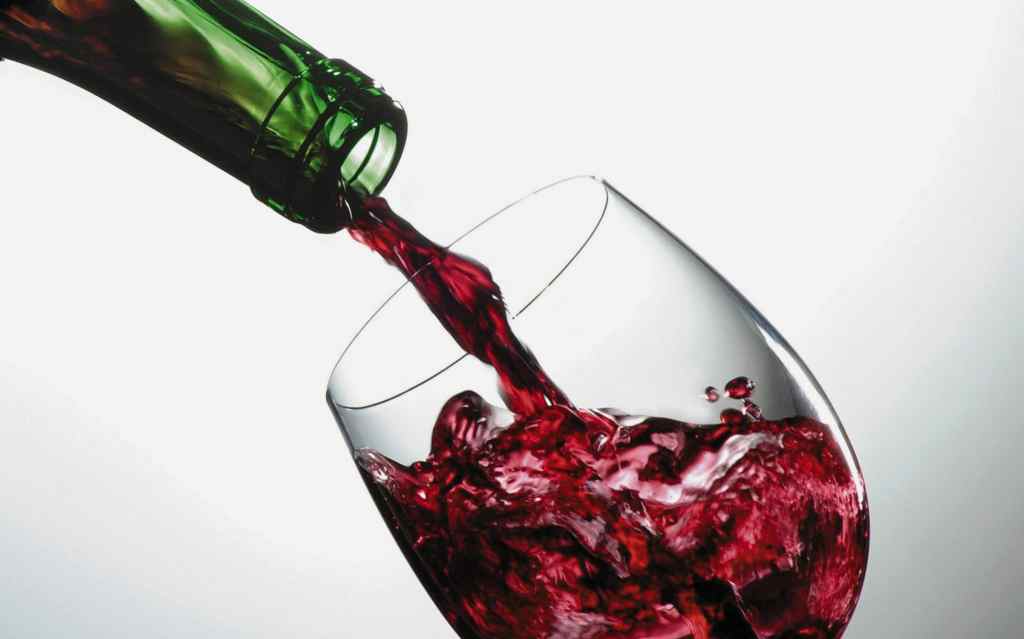
It is best to do a wine rinse after you shampoo and condition. While some rinses are best when completely rinsed from the hair, such as eggs, mayonnaises, or anything that can take on a spoiled smell, red wine is acceptable to not wash out fully from your hair. Simply apply wine to hair and scalp until saturated. Rinse it out, but don’t shampoo it out.

If you leave a little red wine behind, it is not going to hurt your hair at all. You can choose to do this treatment once a week or every couple of weeks, depending on your preference. If you don’t enjoy the smell of wine, you can also dilute it with water prior to applying it to hair, but the results may be less noticeable than using undiluted wine. If you are confronting problem to buy a bottle of wine, visit a liquor store in Avon, CO where you can get the best quality of wine.

WILL A GLASS OF WINE A DAY KEEP THE DOCTOR AWAY?

WILL A GLASS OF WINE A DAY KEEP THE DOCTOR AWAY?

You may have heard that drinking alcohol is unhealthy, but some researchers believe that red wine is actually beneficial to your health. Of course, these scientists are not recommending that you start drinking in excess, but they say a moderate amount (such as a glass of wine at dinner) may be optimal, especially for your heart.

Not all scientists, however, are convinced that red wine is beneficial to your health. In fact, some believe it’s a myth. So before you take a toast to your good health, let’s review what researchers believe to be true so far.

THE HEALTH BENEFITS OF RED WINE

Red wine contains antioxidants called “resveratrol” that may prevent heart disease by increasing levels of “good” cholesterol (high-density lipoprotein) and decreasing levels of “bad” cholesterol (low-density lipoprotein). This ingredient is also believed to protect against blood clots and damage to the blood vessels, providing improved cardiovascular health. But the antioxidant effect of red wine may have other benefits aside from the heart and blood vessels.

Researchers at the University of California say that the phytochemicals found in red wine may protect against diabetes, cancer, as well as Parkinson’s and Alzheimer’s diseases. Some researchers even speculate that red wine may also improve memory, lower cholesterol, and, in addition to exercise, may increase your life.

While these health benefits are great for oenophiles (i.e. wine connoisseurs), there’s a limit to how much you should be drinking. In general, you should probably limit your alcohol consumption if you find yourself finishing a whole bottle of wine in a single sitting.

HOW MUCH ALCOHOL SHOULD I DRINK?

Excessive drinking can be especially harmful to the body, particularly to the liver and the heart, but moderate drinking (e.g. four ounces of wine) may be the most beneficial to your health. In fact, researchers at Harvard University found that the “regularity of consumption” had more of a health effect than the amount of alcohol consumed, suggesting that moderate drinking is key.

TYPE OF WINE MATTERS

For health-conscious wine drinkers, researchers at the University of California recommend drinking Cabernet Sauvignon, Petit Syrah, and Pinot Noir. These wines have the highest concentrations of flavonoids, an ingredient that gives wine its antioxidant qualities. Sweeter white wines such as Chardonnay or Sauvignon Blanc have fewer flavonoids and thus less health benefits. Liquor stores in Avon, Colorado offer a range of liquors and wines of the best quality. It is best to buy it from there.

One Major Side Effect of Drinking Red Wine

One Major Side Effect of Drinking Red Wine

It’s well-known that drinking wine in moderation may have several science-backed health benefits. As Kelli McGrane, MS, RD, a registered dietitian for the food-tracking app Lose It! explained to us, moderate wine consumption is associated with a reduced risk of heart disease and stroke, is known to help protect against diabetes, and may help increase your body’s level of heart-healthy omega-3 fatty acids. One study published in the journal BMC Medicine even found that people who drink between two and seven glasses of wine per week were less likely to suffer from depression.

But, according to a study conducted by researchers at Iowa State University and published in December in the Journal of Alzheimer’s Disease, there’s yet another positive side effect to drinking wine—well, red wine, specifically—and consider it an added bonus that you can pair it with cheese and still reap the health benefits. 

“I was pleasantly surprised that the results suggest that responsibly eating cheese and drinking red wine daily are not just good for helping the cope with the current COVID-19 pandemic, but perhaps also dealing with an increasingly complex world that never seems to slow down,” said Auriel Willette, an assistant professor in Food Science and Human Nutrition at Iowa State.

“While took into account whether this was just due to what well-off people eat and drink, randomized clinical trials are needed to determine if making easy changes in the diet could help the brains in significant ways.”

For the study, participants completed multiple “Fluid Intelligence Tests (FIT),” which, according to the researchers, “provide an in-time snapshot of an individual’s ability to ‘think on the fly,'” and also reported their food-and-alcohol consumption.

The diet questionnaire specifically asked them about their daily intake of “fresh fruit, dried fruit, raw vegetables and salad, cooked vegetables, oily fish, lean fish, processed meat, poultry, beef, lamb, pork, cheese, bread, cereal, tea and coffee, beer and cider, red wine, white wine and champaign and liquor,” said the study.

If you really want to take practical experience and have curiosity to know more about vodka, whisky and wines like red wines, reach out to the Avon, CO liquor store and talk with the staff present there about different types of drinks.

Red Wine: Good or Bad?

Red Wine: Good or Bad?

The health benefits of red wine have been debated for some time. Many believe that a glass each day is a valuable part of a healthy diet, while others think wine is somewhat overrated.

Studies have repeatedly shown that moderate red wine consumption seems to lower the risk of several diseases, including heart disease.

However, there is a fine line between moderate and excessive intake. This article takes a detailed look at red wine and its health effects.

What Is Red Wine and How Is It Made?

Red wine is made by fermenting dark-colored, whole grapes. It is high in antioxidants, and drinking moderate amounts has been shown to be good for health.

There are many types of red wine, which vary in taste and color. Common varieties include Shiraz, Merlot, Cabernet sauvignon, Pinot noir and Zinfandel. The alcohol content usually ranges from 12–15%.

Consuming moderate amounts of red wine has been shown to have health benefits. This is mainly due to its high content of powerful antioxidants.

The alcohol in wine is also believed to contribute some of the benefits of moderate wine consumption.

The French Paradox

Red wine is often believed to be responsible for the “French paradox.”

This phrase refers to the observation that the French have low rates of heart disease, despite consuming a lot of saturated fat and cholesterol.

Some experts believed that red wine was the dietary agent protecting the French population from the harmful effects of these nutrients.

The true reason behind the good health of the French is probably the fact that they eat more whole foods and live overall healthier lifestyles.

However, new studies have shown that dietary cholesterol and saturated fat do not cause
heart disease when consumed in reasonable amounts.

Some people believe that red wine is responsible for the good health of the French population and that it is the main explanation for the French paradox.

The powerful plant compounds in red wine have been linked with many health benefits, including reduced inflammation, lower risk of heart disease and cancer, and extended lifespan. If you also want to reduce the risk of heart and other diseases then you should taste the red wine once, which you can buy from the Avon, Colorado Liquor Store.

SURPRISING RED WINE BENEFITS FOR SKIN, HAIR AND HEALTH

SURPRISING RED WINE BENEFITS FOR SKIN, HAIR AND HEALTH
Hands holding a glass of wine and a bottle on pink background. Glass of wine in female hand. Party insta time.

Drinking a glass of wine after a long and tiring day is one of the best ways to de-stress. But did you know drinking wine in moderate amounts can actually be good for your health?

There is abundant research done on this subject and all of them indicate that it may be beneficial for heart health and weight management! That’s right, some people don’t know about apples, but looks like a glass of wine a day can surely keep the doctor away. That’s not all, recent research shows that red wine benefits are not limited to health, it can also promote good skin and hair.

What are the ingredients in wine that make it so beneficial? As all know, red wine is made from grapes. The fruit is rich in several antioxidants that keep the skin looking young and the heart healthy.

The flavonoids in red wine which impart the rich, red colour are also beneficial for the overall health of the body. There are several different types of red wines available in the market, some of the most popular ones are merlot, shiraz, cabernet, zinfandel and more.

You can choose any of these to reap red wine benefits. In this article, you will find in detail how red wine benefits your health, skin and hair.

  • 1. Red wine benefits for health
  • – Lowers bad cholesterol
  • – Prevents obesity
  • – Reduces stress and depression
  • – May prevent cancer

    2. Red wine benefits for skin
  • – Prevents premature ageing
  • – Reduces acne
  • – Makes skin glow

    3. Red wine benefits for hair
  • – Promotes thick hair
  • – Reduces dandruff

1. Red wine benefits for health

Red wine may differ in taste and colour, depending on the type and country of origin. Made by crushing and fermenting dark-colored grapes, it can offer a wide range of benefits. Some of the best red wine benefits for health are listed below.

  • Lowers bad cholesterol
  • Prevents obesity
  • Reduces stress and depression
  • May prevent cancer

2. Red wine benefits for skin

  • Prevents premature ageing
  • Reduces acne
  • Makes skin glow

3. Red wine benefits for hair

  • Promotes thick hair
  • Reduces dandruff

Now that you know the benefits of wine, it is time to grab a bottle from the liquor store in Avon, CO which provides the best quality of liquor and wine.

5 Interesting Benefits Of Red Wine For Skin, Hair, And Health

5 Interesting Benefits Of Red Wine For Skin, Hair, And Health

Red wine is a type of wine made by crushing and fermenting dark-colored, whole grapes. Common varieties include Nerello Mascalese, Merlot, Cabernet Sauvignon, Pinot noir and Blend Red. The color of the wine may vary from intense violet, brick red to brown depending on their age.

Wine was first documented as a man-made medicine in ancient Egyptian and Sumerian tablets dating back to 2200 BC. Since then it has a long history of medication and is associated with a decreased risk of cardiovascular diabetes, metabolic syndrome, and early death. Well, this does show red wine as an elixir for vitality and good health.

What Gives Red Wine It’s Beauty Benefits?

Red wine is made from grapes, and grapes are rich in several antioxidants. They are known to have multiple health benefits. Some of these include catechins, resveratrol, epicatechin, and proanthocyanidins.

Boost Heart Health

The antioxidants in red wine can increase the level of high-density lipoprotein (HDL) cholesterol, known as the “good cholesterol” in the body. The polyphenols in red wine, especially resveratrol, is found to protect the linings of the blood vessels in your heart and reduce blood clots. Moreover, the tannins in red wine help to lower the risk of heart diseases and stroke. Though more research is required, the possibilities are that a daily glass of red wine for four weeks can elevate good cholesterol levels by 16%, and reduce the amount of fibrinogen (a clotting compound) by 15%.

Longevity

Research reveals that the resveratrol in red wine can increase lifespan by as much as 60%. The antioxidant in red wine provides higher energy levels and activates an evolutionary stress response in human cells that might enhance longevity. According to a study, wine can increase lifespan by inducing longevity genes. Another study by Stanford Center revealed that the resveratrol in red wine can protect our neurons from the undesirable effects of aging. In fact, red wine drinkers have a 34% lower mortality rate than vodka or beer drinks.

Skin Benefits

Red wine is found to be extremely beneficial for the skin. Packed with antioxidants like flavonoid, resveratrol, and tannin, it protects the skin from aging by restoring collagen and elastic fibers. Red wine is found to contain natural AHAs, anti-inflammatory and antiseptic properties that cleanses the pores, clears acne and reduces the chance of future breakouts.

Healthy Hair

The flavonoids and antioxidants present in red wine helps in the formation of the keratin thereby preventing keratin deficiency in your body. The antioxidants in rich red wine fight free radicals giving you healthy and shiny hair. It is also known to rejuvenate and repairs damaged hair. Red wine also inhibits hair loss and reduces dandruff by promoting blood circulation in the scalp. You can try mixing it with some essential oils for hair to reap its maximum benefits. Rinse your hair with red wine after you shampoo and condition to get shiny locks in no time. To benefit internally, drink small portions of red wine daily to get gorgeous hair.

Promotes Better Sleep

Drink a small amount of red wine before going to sleep to calm and relax your body and mind. Red wine is found to have a  high concentration of melatonin, which stimulates your internal body clock and sleep patterns, thus ensuring proper and peaceful sleep. Melatonin is a naturally occurring hormone present in the body which is responsible for stimulating the sleeping patterns. The red wines particularly rich in this compound are Merlot, Cabernet Sauvignon, and Pinot Nero.

No doubt, after knowing the benefits of red wine for skin, hair and health, there is curiosity in your mind to buy the red wine. Liquor stores in Avon, CO offers a range of liquors and wines of the best quality.

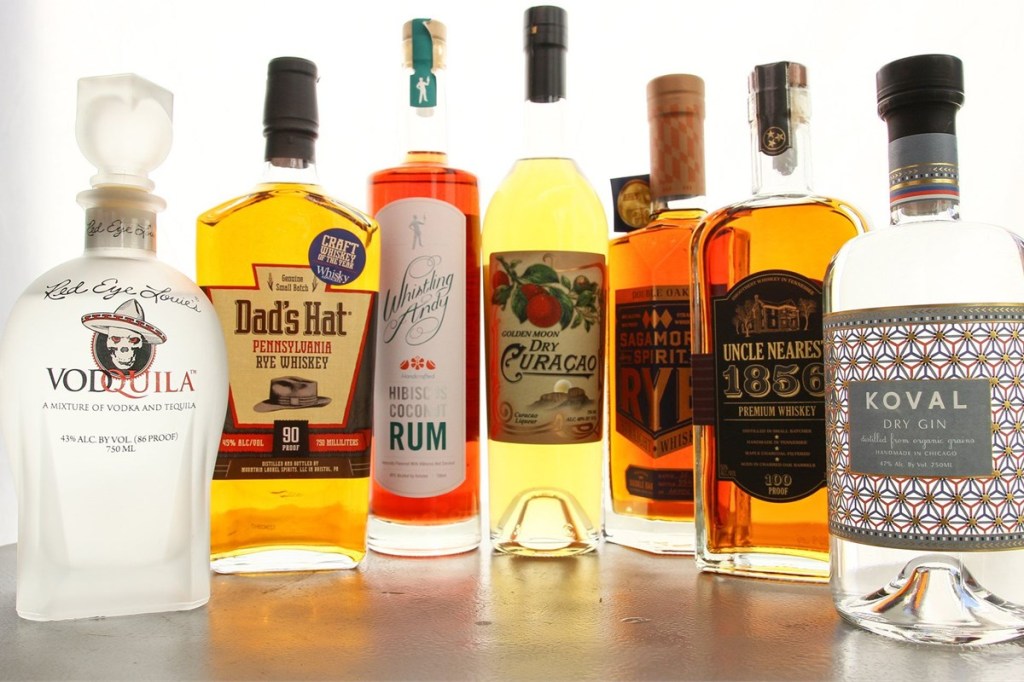
The 6 Types of Distilled Spirits

The 6 Types of Distilled Spirits

01) Brandy

Brandy is often enjoyed on its own. It’s popularly featured in several classic cocktails and tends to be used in drinks that include just a few ingredients. However, many modern brandy recipes break this mold and experiment with brandy in some unique flavor combinations.

  • Distilled From:Brandy is distilled from fruit. While grapes are used for traditional brandy, the liquor can be distilled from other fruits such as apples, apricots, cherries, and peaches.
  • Flavor Profile: Brandy tastes like fruity burnt wine with a pleasant oakiness.
  • Aged: It varies by style, but brandy is typically aged in oak and often blended.
  • Produced In: Brandy is distilled worldwide. Certain regions of the world make specific brandy styles, such as cognac, Armagnac, and pisco.
  • Styles: Cognac, Armagnac, Spanish Brandy, Pisco, American Brandy, Grappa, Eau-de-vie, Flavored Brandy (non-grape brandy)

02) Gin

Gin’s dry profile makes it a perfect candidate for dry (non-sweet) cocktails, including many classics and martinis. It is a nice base for cocktails with just a few ingredients and pairs well with lighter mixers and fruits and naturally works well with herbs.

  • Distilled From: Gin is distilled from neutral grains such as barley, corn, rye, and wheat and flavored with a variety of botanicals, which vary by brand.
  • Flavor Profile: Gin is herbal and dry. The primary flavor that defines gin comes from juniper berries, which impart its signature “piney” aroma and taste. The older style of gins (e.g., genever, Old Tom, Plymouth) have a gentle sweetness.
  • Aged: Typically unaged
  • Produced In: Gin is produced worldwide. Historically, it is best-known as a product of Europe (particularly the Netherlands) and the United Kingdom.
  • Styles: London Dry Gin, Plymouth Gin, Old Tom Gin, Genever, New American (or Modern-Styled) Gin

03) Rum

Rum’s sweeter flavor makes it one of the more versatile spirits. It was among the first liquors to be mixed into drinks, so there are some excellent classic rum cocktails to choose from. It is the obvious base for tropical drinks and appears in several warm cocktails.

  • Distilled From: Rum is distilled from some form of sugar. Molasses is very common, and some rum uses pure sugar cane.
  • Flavor Profile: Rum has a sweet toasted sugar taste that varies by style and region.
  • Aged: Light rum is typically not aged, and other rums are often aged in oak barrels to some extent. Due to climate, aging times vary greatly; warm climate rum requires less barrel time than rum from colder climates. Rum is also often blended.

04) Tequila

Tequila has a great flavor profile that mixes well into a variety of cocktails. There are, of course, the margaritas and frozen cocktails in which tequila is mixed with any fruit imaginable. It also makes a perfect base for spicy cocktails and is very popular for party shots.

  • Distilled From: Tequila is distilled from the fermented juices of the agave plant.
  • Flavor Profile: Most tequila has a vegetal, earthy flavor with semi-sweet and spicy tones.
  • Aged: Blanco (or silver) tequila is un-aged. Reposado and añejo tequilas are aged, often in used whiskey (bourbon) oak barrels. Gold tequila is blended.

05) Vodka

Vodka’s neutral taste makes it the most versatile spirit available today. Vodka cocktails include almost every imaginable flavor profile, from sweet to savory, fruits to herbs, and spices to sparkling mixers. Martinis and shooters are popular vodka drinks as well.

06) Whiskey

Whiskey is another of the more versatile cocktail bases. With so many styles, there is the opportunity for great diversity in flavor profiles. It mixes well with other liquors to create complex drinks, and it pairs well with many fruits, particularly the darker fruits. Warm drinks are also very popular with whiskey.

  • Distilled From: Whiskey is distilled from malted grains. It varies by style, but corn, rye, wheat, and barley are common. Many whiskies use a combination of a few grains in the mashbill.
  • Flavor Profile: Roasted, malted grain with oak undertones should be expected in any whiskey. There are also distinct characteristics in each style.

If you really want to enjoy yourself with friends and make a memorable moment then visit a liquor store in Avon, Colorado where you can make sure that you taste the best liquor and have a pleasant time.

The Alcohol Percentage Contents by Beverage Type

The Alcohol Percentage Contents by Beverage Type

Consuming alcohol is legal in the majority of the U.S. for adults ages 21 and older. Alcohol is a beverage made from fermented grains or fruit, and it has been part of human civilization for at least 10,000 years. There are many kinds of alcohol from many cultures across the globe, although the types of alcohol are standardized to beer, wine, and liquor in the United States to help structure laws around drinking.

There are several subcategories to beer, wine, and liquor, and if you really want to taste, liquor stores in Vail, CO offer a range of liquors and wines of the best quality. It is best to buy it from there.

Understanding the specifics of alcohol types and content helps manufacturers, retail salespeople, bartenders, and consumers determine how much alcohol is in one serving, and therefore how much is consumed.

Alcohol Percentage in Drinks

  • Vodka | ABV: 40-95%
  • Gin | ABV: 36-50%
  • Rum | ABV: 36-50%
  • Whiskey | ABV: 36-50%
  • Tequila | ABV: 50-51%
  • Liqueurs | ABV: 15%
  • Fortified Wine | ABV: 16-24%
  • Unfortified Wine | ABV: 14-16%
  • Beer | ABV: 4-8%
  • Malt Beverage | ABV: 15%

Types of Alcohol

  • Vodka: Made from the same fermentation process as beer or wine, with the added step of distilling to increase the strength of the drink, vodka is typically made from grains like wheat, sorghum, and corn, although Russian vodka is allegedly made from potatoes. Vodka has an ABV starting around 40 percent, but it can range as high as 95 percent.
  • Gin: This type of liquor starts with a neutral distilled spirit, to which juniper berries and other aromatic botanicals are added. It is clear and has an ABV of 36-50 percent.
  • Rum: Rum is fermented sugarcane, molasses, beet sugar, or other type of non-fruit sugar. It is then distilled to remove any sediment. It legally has 36-50 percent ABV.
  • Whiskey: Subdivided into scotch, bourbon, and Irish and Canadian whiskeys, these types of whiskey are aged in oak barrels that give them a unique caramel color. ABV can range from 36 percent to 50 percent ABV, depending on how long it has aged.
  • Tequila: Tequila is a Central and South American beverage made from fermented agave, which originally had some hallucinogenic properties in addition to being alcoholic. Tequila sold in the US is not allowed to have any additional drugs in it besides alcohol. The ABV is typically around 50-51 percent.
  • Liqueurs: These beverages are distilled spirits combined with fruit, cream, sugar, or herbs to create a potent but flavorful beverage. Liqueurs include triple sec, amaretto, schnapps, and Sambuca. They may not have more than 15 percent ABV, on average.

Wine

  • Fortified wine: This is a type of fruit and/or honey alcohol that, either due to the addition of brandy or because it has been fermented long enough, has an ABV of 16-24 percent.
  • Unfortified wine: This is a standard fruit or honey alcohol, such as mead or ice wine, with 16 percent or less ABV. The average ABV for wine is around 14 percent, although some, such as port, may be a little stronger. States may have individual mandates on how much sugar wine may contain as well.

Beer

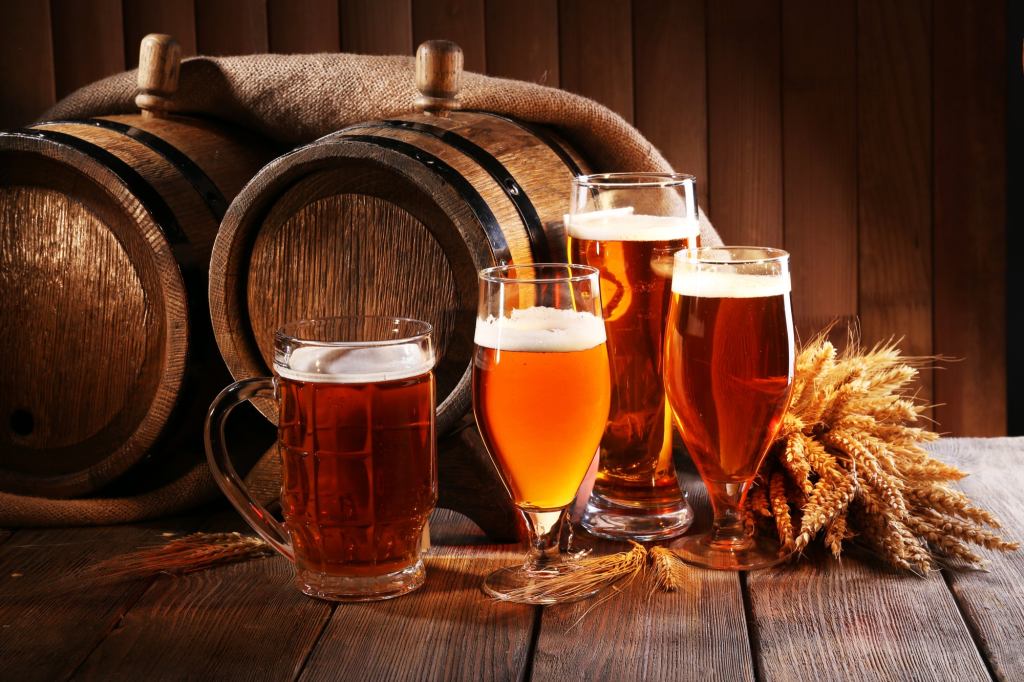
  • Beer: This includes lagers, pilsners, flavored beers, and ale. The ABV on beers ranges greatly, depending on the brewing process. Generally, the ABV is between 4 percent and 8 percent, with 5-6 percent being the standard for most beers in the United States. Some craft beers nowadays are as high as 12 percent.
  • Malt beverage: While this category can include some types of beer, the ABV can range up to 15 percent, so it includes beers with additional alcohol added.

Top 10 Surprising Benefits of Drinking Beer

Top 10 Surprising Benefits of Drinking Beer

I bet it comes as a surprise that beer or any other alcoholic drink for that matter can be beneficial for the health. Well, it can! While wine is good for your heart, beer has up to ten health benefits starting with bone breakage risk reduction to warding off mental decline. Obviously, it cannot neglect the fact that beer can be fattening, so the key to its consumption is in moderation. There is a potential risk of liver damage as well as other health risks too, so don’t overdo it.

Still, benefits of the drink are greater than you think. To buy good quality beer you can reach out to the Vail, CO Liquor Store, also below I have mentioned a list of my top favourite benefits:-

1. Boosting Brain Health

Researchers found that having one beer per day may keep Alzheimer’s disease and other dementia at bay. The research also showed that in comparison to those who didn’t drink beer on daily basis those who did lowered their risk of mental decline by 20 percent. This may be due to silicon content in beer that protects the brain from aluminum effects which can be really harmful.

2. Healthier Kidneys

Beer is known to reduce risk of kidney stones by incredible 40%. Further, the fact beer contains up to 93% water helps flush toxins out of your body and keep kidneys working properly.

3. Lowers Heart Disease Risk

Believe it or not, research has shown that moderate consumption of beer can lower heart disease risk by 20% to 40%. Beer also has great anti-clotting effect which contributes to keeping blood vessels clean, healthy and free.

4. Stronger Bones

Owing to its high silicon content, beer may be good for bone health. Silicon is found to improve bone strength and increase bone mineral density. Still, overconsumption of beer will weaken the bones while increasing the risk of bone fractures. So, when drinking it be mindful of these side effects and drink it in moderation.

5. Lowering Cancer Risk

Being high in antioxidants and flavanoids (particularly dark beers), beer is great in lowering the risk of cancer, especially prostate cancer for men. Further, beer contains xanthohumol which is a powerful antioxidant known to have anti-cancer properties.

6. Lowering Risk of Diabetes

The alcohol beer contains increases insulin sensitivity for which reason you get protected against diseases like diabetes. Still, drinking in moderation is advisable

7. Guarding Against Stroke

Blood clots that tend to form can cause ischemic stroke and many other life threatening diseases or conditions. This occurs when an artery to the brain is blocked. Nevertheless, the arteries become flexible and blood flow improves significantly when you (regularly, in moderation) drink some beer.

8. Acts as a Multivitamin

It gets hard to believe that an alcoholic drink can be a source of vitamins! Still, it doesn’t get better than this. Apart from being rich in vitamin B (particularly homebrew), it is richest in Niacin which is also known as vitamin B3. Other than these, beer contains vitamins such as Choline, Flavonoids, Pantothenic Acid, other B vitamins and vitamin B6.

9. Clears skin and helps hair growth

All the vitamins in beer are really good for acne reduction and increasing natural skin shine. Further, beer acts as a great hair growth stimulator. The contents of hops and malt in beer make hair more healthy and act as an exceptional ingredient for hair growth.

10. Rich in fiber content

Body needs fibers, sugar and starches to function properly. Beer has all three. Even though fibers can be pretty hard/slow in digestion they stimulate the intestinal peristalsis. Beer is a drink which provides fiber content to the body when consumed.

Design a site like this with WordPress.com
Get started